

Constitutional Court declares Monal Restaurant demolition illegal
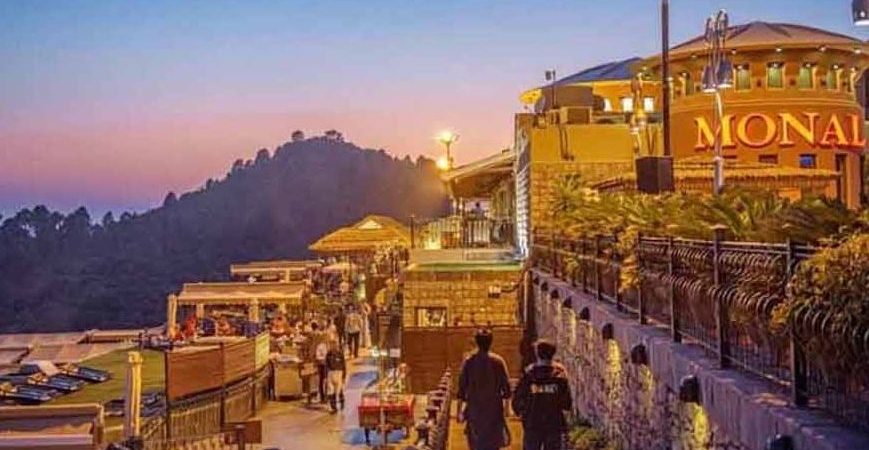
Saifullah Ansar/DNA
ISLAMABAD, JUL 13 — In a landmark decision that has sent shockwaves through the country’s legal and political landscape, the newly formed Constitutional Court of Pakistan has declared the previous demolition of the iconic Monal Restaurant illegal.
The Constitutional Court, headed by Justice Azhar Hassan Rizvi, ruled that the prior Supreme Court judgment ordering the closure and dismantling of the famous eatery violated basic principles of natural justice and procedural law. The court has directed that the lower courts should now decide the entire case fresh, strictly on its legal merit.
In its detailed ruling, the Constitutional Court sharply criticized the manner in which the case was originally handled. Justice Azhar Hassan Rizvi observed that the Supreme Court did not properly treat the complex matter, failing to provide a fair hearing to the aggrieved parties involved.
According to the bench, the apex court’s swift order denied the management and its employees their fundamental right to due process. Most notably, the bench pointed out that the previous ruling bypassed standard legal channels by completely denying the restaurant administration the right to appeal, a cornerstone of any democratic judicial framework.
The legal battle dates back to a high-profile verdict delivered by the Supreme Court, which was then headed by the former Chief Justice, Qazi Faez Isa. That bench had declared Monal, along with several other neighboring establishments operating in the picturesque Margalla Hills National Park, to be completely illegal structures, ordering their immediate closure and subsequent demolition to preserve the local environment.
While framed as an environmental preservation effort, the sudden destruction of the premier tourist destination triggered widespread public backlash. For over a decade, Monal served as a primary cultural ambassador for the capital city. Situated high above Islamabad, it was an iconic venue where state guests, foreign dignitaries, and international delegations were routinely hosted to experience Pakistani hospitality.
Following its demolition, overseas Pakistanis and international visitors heavily criticized the move on various global platforms, slamming the decision as short-sighted and detrimental to Pakistan’s struggling tourism sector. Many argued that instead of complete demolition, sustainable regulatory frameworks could have been introduced to address environmental concerns without destroying a multi-million dollar asset and displacing hundreds of workers.
News of the Constitutional Court’s intervention has brought a wave of immense relief across the capital and among food and hospitality industry stakeholders. Citizens have taken to social media to celebrate the judgment, viewing it as a correction of an overreached judicial mandate.
Legal experts note that by sending the case back to the lower courts to be heard strictly on merit, the Constitutional Court has restored the traditional hierarchy of the judiciary and guaranteed the right to a fair trial. With this major legal hurdle cleared, local residents and regular patrons are expressing renewed optimism that the iconic landmark will soon rebuild and return to its former glory.
Related News

Deputy Prime Minister Ishaq Dar Meets UN Secretary-General on SCO Summit Sidelines
DNA BISHKEK, SEP 1 – Deputy Prime Minister and Foreign Minister of Pakistan, Senator MohammadRead More

Afghan envoy calls for better connectivity
Ambassador Shakeeb emphasized that Afghanistan and Pakistan are not merely two neighboring countries. “Our geographiesRead More
Comments are Closed