

Neelum-Jhelum delay reinforces need for low-cost hydropower for economic stability: BMP
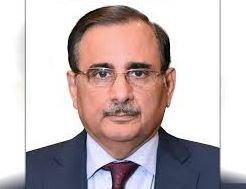
Anjum Nisar say shut of Rs500-billion-plus hydro project deprives industry of 1,000MW cheap electricity
ISLAMABAD, JUL 12 /DNA/ – As the Neelum-Jhelum Hydropower Project (NJHPP)remains shut following a tunnel collapse in April 2024, with power generation now unlikely to resume before 2028, the Federation of Pakistan Chambers of Commerce and Industry’s Businessmen Panel (BMP) has said the prolonged delay highlights the urgent need for transparent investigations into technical failures, improved execution of strategic hydropower projects and accelerated investment in low-cost renewable energy to ease inflationary pressures and revive industrial competitiveness.
The BMP Chairman and former FPCCI President Mian Anjum Nisar said the prolonged outage of the Rs500-billion-plus project has deprived the country of nearly 1,000 megawatts of comparatively cheap electricity, forcing greater reliance on expensive thermal generation and imported fuels. He said this has increased power generation costs, pushed up electricity tariffs for industries and households, raised manufacturing expenses and ultimately contributed to inflation by making goods and services more expensive.
Mian Anjum Nisar said the Neelum-Jhelum project is a reminder that Pakistan’s economic stability is closely linked with the availability of affordable electricity. He observed that every delay in restoring low-cost hydropower adds pressure on industries already struggling with high energy prices, elevated financing costs and declining competitiveness in regional and international markets.
He said hydropower remains the cheapest and most sustainable source of electricity after its initial construction costs are recovered. Unlike imported fuel-based power plants, hydropower protects the economy from fluctuations in global oil and LNG prices, reduces the country’s import bill and strengthens energy security. “Every additional unit of electricity generated from water instead of imported fuels reduces production costs, lowers inflationary pressures and supports sustainable economic growth,” he added.
The BMP chairman said Pakistan’s manufacturing sector has been facing an unprecedented cost crisis over the past few years because of expensive electricity, gas shortages and rising fuel prices. Industries ranging from textiles and leather to engineering, chemicals, steel and food processing have experienced significant increases in production costs, weakening their ability to compete with exporters from regional economies where electricity tariffs are substantially lower.
He said affordable electricity is not merely an energy issue but a national economic priority because power costs directly influence industrial productivity, exports, employment and consumer prices. When factories pay higher electricity bills, the additional burden is inevitably passed on to consumers through increased prices of manufactured products, thereby fuelling inflation throughout the economy.
Mian Anjum Nisar stressed that Pakistan possesses enormous untapped hydropower potential capable of producing thousands of megawatts of low-cost electricity. However, he regretted that repeated delays, cost overruns, administrative bottlenecks and technical shortcomings have prevented the country from fully benefiting from these natural resources.
Referring to the Neelum-Jhelum project, he said reports about tunnel faults and the continuing investigation should be examined through a completely transparent, independent and technically sound inquiry so that the actual causes are identified and corrective measures implemented in future projects. He said accountability should not merely focus on assigning responsibility but on ensuring that engineering standards, geological assessments, project supervision and risk management are significantly strengthened.
The BMP chief observed that Pakistan can no longer afford repeated setbacks in strategic infrastructure projects because every year of delay deprives the economy of affordable electricity while increasing dependence on costly imported fuels. He said the country must draw valuable lessons from the Neelum-Jhelum experience to improve planning, construction quality and long-term maintenance of future hydropower schemes.
He urged the government to expedite work on all ongoing hydropower projects, including Diamer-Bhasha, Mohmand, Dasu and other strategic dams, while ensuring timely completion without unnecessary administrative or financial delays. According to him, expanding hydropower generation will gradually reduce the overall cost of electricity, improve industrial competitiveness, strengthen exports and create a more favourable investment climate.
Mian Anjum Nisar further said that affordable electricity is essential for achieving the government’s objectives of industrial expansion, export-led growth and economic stability. Lower power tariffs would encourage manufacturers to expand production, attract fresh domestic and foreign investment, generate employment opportunities and enable businesses to compete effectively in international markets.
Commenting on the Senate Standing Committee’s observations regarding groundwater depletion, he said water infrastructure should be viewed as a national economic asset because dams serve multiple purposes, including electricity generation, irrigation, flood mitigation and water conservation. Investing in such infrastructure therefore yields long-term economic, agricultural and environmental benefits.
He also expressed concern over reports of financial irregularities in the Nai Gaj Dam project and called for strict transparency and accountability in all public sector infrastructure schemes.
The BMP chairman said Pakistan’s energy policy should be based on maximising indigenous resources rather than increasing dependence on imported fuels whose prices remain vulnerable to global geopolitical developments. He added that hydropower, together with other renewable energy sources, offers the most sustainable path towards affordable electricity, lower production costs and long-term macroeconomic stability.
Mian Anjum Nisar emphasized that reducing the cost of doing business should remain the government’s foremost economic objective. Besides tax reforms and easier access to finance, he said, lowering electricity tariffs through expanded hydropower generation is among the most effective measures to revive industrial activity and control inflation.
Related News
President receives credentials from French and Saudi envoys
Ansar M Bhatti ISLAMABAD, OCT 14 /DNA/ – President Asif Ali Zardari on Wednesday receivedRead More

39th PSDE conference opens at PIDE with $100 billion export ambition
39th PSDE Conference Opens at PIDE with Focus on Turning the $100 Billion Export AmbitionRead More
Comments are Closed