

Al-Shifa intervention prevents blindness in premature twins
RAWALPINDI, FEB 25 /DNA/ – Around every year, one million babies are born prematurely in Pakistan, with up to 45 percent at risk of developing Retinopathy of Prematurity (ROP), a retinal disorder that can lead to permanent blindness if not treated within weeks of birth, said the Al-Shifa Trust on Wednesday.
Since launching a dedicated ROP programme in March 2013, the Al-Shifa Trust Eye Hospital has treated around 19,000 premature infants, offering specialised expertise and equipment to manage the condition.
According to the Department of Paediatric Ophthalmology and Strabismus, improving neonatal survival rates has increased the number of infants vulnerable to ROP. Retinal blood vessels start forming about three months after conception and complete development at full-term birth. Premature delivery disrupts this process, potentially triggering abnormal vessel growth that can damage the retina.
Dr Amjad, a paediatric ophthalmology expert, stated that infants weighing less than 1.5 kilograms at birth are at the highest risk. Lowering oxygen saturation levels in premature babies can reduce the risk of advanced ROP.
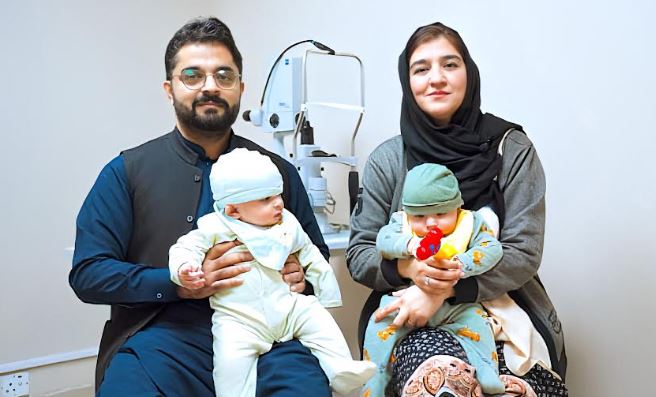
Recently, seven-month-old twins Ibrahim and Ismail, born prematurely, were diagnosed with ROP. Doctors commenced immediate treatment, managing the disease before it could cause irreversible damage. Their condition has improved, and their mother expressed that early intervention prevented potential blindness and provided reassurance during a stressful period. The twins now undergo regular follow-ups and are recovering well.
The trust has arrangements with multiple hospitals to facilitate screening, transportation, and surgery for high-risk newborns. Tele-ophthalmology services connect remote units, including some abroad, to enable early diagnosis and guidance at no cost.
Dr Amjad called on health authorities to make retinal screening mandatory for all preterm infants and to expand ROP-capable facilities beyond the currently limited number of centres.
Related News

Mega event on latest trends in dermatology anti aging & plastic surgery held in Islamabad
ISLAMABAD, SEP 13 /DNA/ – A major academic and training event focusing on the latestRead More
Pakistan’s 2026 polio tally reaches four as fresh case surfaces in KP
ISLAMABAD, SEP 11: Pakistan has reported its fourth polio case of the year, with theRead More
Comments are Closed