

Lahore tragedy: a stark reminder of neglected realities
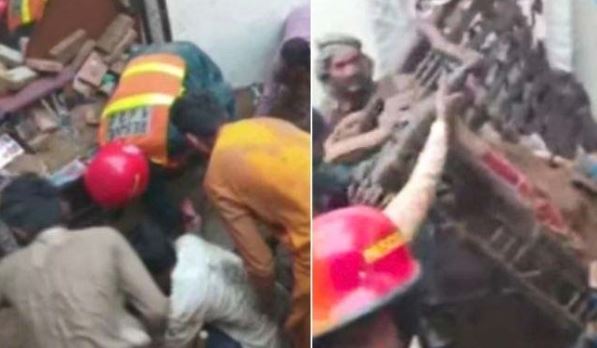
The collapse of a tuition center roof in Lahore, killing 14 children, is more than a local disaster, it is a national indictment. It exposes the fragility of Pakistan’s social fabric and the failure of governance to protect its most vulnerable citizens
Opinion
Ansar Mahmood Bhatti
A devastating tragedy struck the provincial capital Lahore on June 30, 2026 when the roof of a tuition center collapsed, killing 14 innocent children who had gathered there to study. The incident has shaken the conscience of Punjab and the nation at large, exposing the stark contrast between official claims of progress and the grim realities faced by ordinary citizens.
The collapse was not merely an accident; it was the culmination of years of neglect, poverty, and systemic failure. Families struggling to make ends meet cannot afford to repair their homes or community buildings. For millions across Punjab, dilapidated structures are not a choice but a harsh reality. When survival itself is a daily battle, house repairs or safety upgrades remain an unaffordable luxury.
Parents send their children to tuition centers hoping to secure a better future through education. Instead, they were forced to bury them under rubble. This tragedy is emblematic of the silent suffering endured by countless households across the province.
Chief Minister Maryam Nawaz has often highlighted her government’s achievements, pointing to initiatives such as laptops for students, green and yellow buses, metro projects like the Orange Line, and schemes like Kissan Cards. While these programs may serve as political optics, the tuition center collapse underscores that they do little to address the fundamental needs of the people.
Punjab, the largest province with a massive budget, continues to allocate resources disproportionately toward projects that generate publicity rather than welfare. The tragedy in Lahore is a painful reminder that glossy announcements cannot substitute for structural reforms, social safety nets, or merit-based governance.
The economic situation in Punjab mirrors the broader national crisis. Acute price hikes, unemployment, and lack of merit-based opportunities have left families vulnerable. Social welfare remains absent, leaving the poor to fend for themselves. The tuition center collapse is not an isolated incident—it is the story of millions living in unsafe, crumbling houses across Punjab and beyond.
The tragedy also highlights the absence of effective local governance. Had there been proper inspections, regulations, and enforcement of building safety standards, the collapse could have been prevented. Instead, corruption and negligence continue to erode public trust.
While Punjab’s size and budget make its failures more glaring, the situation is not unique to the province. Across Sindh, Balochistan, and Khyber Pakhtunkhwa, families face similar struggles. Poverty, unemployment, and lack of social welfare are national issues. The collapse in Lahore is a symbol of a broader malaise afflicting Pakistan’s governance and development model.
Projects like metro lines, bus fleets, and technology giveaways may create headlines, but they cannot transform Pakistan into a welfare state. True development requires rule of law, meritocracy, equal distribution of resources, law and order, and a corruption-free society. These are the foundations of sustainable progress, yet they remain absent from political discourse because they offer no immediate kickbacks, commissions, or personal projections.
The tuition center tragedy exposes the hollowness of development that prioritizes optics over substance. It is a call to rethink what progress truly means.
Pakistan, after 78 years of independence, continues to search for a messiah—a leader who can deliver justice, equality, and prosperity. Each new government promises change, but the cycle of neglect and mismanagement persists. The collapse in Lahore is not just about a roof; it is about the collapse of governance, accountability, and social responsibility.
The grieving families of Lahore are not alone. They represent millions across Pakistan who live in fear of similar tragedies, whether from unsafe housing, lack of healthcare, or absence of social protection. Their plight is a reminder that Pakistan’s journey toward becoming a welfare state remains unfinished. The tragedy demands more than condolences and promises. It requires a fundamental shift in priorities:
Rule of law must be enforced to ensure accountability and safety standards. Meritocracy must replace nepotism and favoritism in governance. Equal resource distribution must ensure that budgets serve the people, not political optics. Corruption-free society must become the cornerstone of reform. Social welfare must be institutionalized to protect vulnerable families. Without these pillars, Pakistan will continue to witness tragedies like the one in Lahore.
The collapse of a tuition center roof in Lahore, killing 14 children, is more than a local disaster, it is a national indictment. It exposes the fragility of Pakistan’s social fabric and the failure of governance to protect its most vulnerable citizens. As families mourn their children, the nation must confront the uncomfortable truth: development cannot be measured in buses, laptops, or publicity campaigns. It must be measured in safety, welfare, justice, and dignity for all.
Until Pakistan embraces genuine reform, tragedies like Lahore will remain grim reminders of promises unfulfilled and lives lost to neglect.
Related News

Better Rules, Missing Teeth
A fair reading of the Public Procurement Rules, 2026 By Ali khan adv – ProcurementRead More

A nation’s conscience buried under the rubble
Pakistan does not suffer from a shortage of talent or resources. What it lacks isRead More
Comments are Closed