

Bennett urges Taliban to release detained journalists ahead of press freedom day
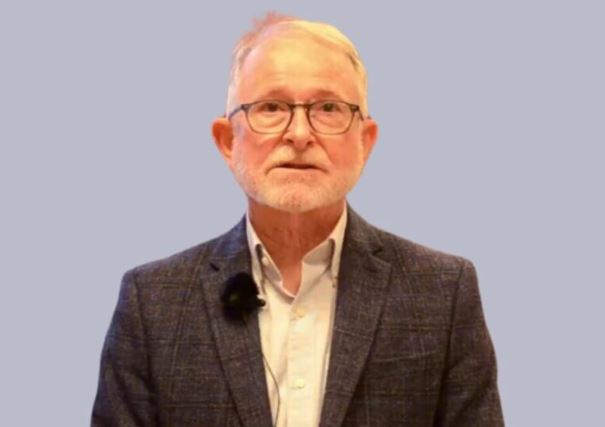
NEW YORK: Richard Bennett, the UN special rapporteur for Afghanistan, has called on the Taliban to immediately release detained journalists and ease restrictions on the media, warning that press freedom in the country continues to deteriorate.
Bennett made the appeal ahead of World Press Freedom Day, urging Taliban to allow journalists to work without fear of arrest, harassment or retaliation.
He said press freedom has eroded significantly since the Taliban returned to power in 2021, with independent reporting increasingly constrained by censorship, surveillance and legal restrictions.
The UN special rapporteur pointed to measures including rules linked to the Taliban’s law on the promotion of virtue and prevention of vice, which he said have contributed to a restrictive environment for media workers.
Journalists face growing risks even when carrying out routine reporting, particularly when covering sensitive issues such as women’s rights or criticizing authorities, Bennett said.
He cited data from the Afghanistan Journalists Center indicating that at least 34 journalists were detained in 2025.
According to media advocacy groups, at least four journalists are currently detained in Taliban prisons. They include Shakib Nazari, Abuzar Sarem, Hamid Farhadi and Bashir Hatef.
Bennett said threats, intimidation and accusations of collaborating with foreign media have become more common, contributing to a climate of fear and widespread self-censorship.
He added that not only journalists but also their sources face pressure, with reports of threats, surveillance and detention of individuals speaking to the media.
The situation is particularly difficult for women journalists, who face additional restrictions on movement, dress and access to work, as well as unequal treatment in newsrooms, he said.
Bennett said the decline in press freedom is part of a broader contraction of civic space in Afghanistan, where activists, civil society members and critics of Taliban policies face increasing risks.
He also raised concerns about censorship of books and publications, restrictions on access to information and legal provisions that criminalize criticism using vague definitions.
Despite the challenges, Bennett said Afghan journalists continue to report under difficult conditions, both inside the country and from exile, playing a key role in documenting human rights issues.
He warned that declining international funding for independent media is further weakening the sector, limiting journalists’ ability to operate safely and sustain reporting.
Bennett called on the international community to increase financial and technical support for Afghan media and to strengthen protections for journalists at risk.
“A free and independent press is indispensable for Afghanistan’s future,” he said.
Related News
Islamabad’s rightful demand from Kabul is not to allow its soil to be used against Pakistan
DNA ISLAMABAD, Aug 31: Experts at a roundtable discussion at the Institute of Regional StudiesRead More
Taliban regime has itself become a proxy trying to destabilize the region
Asim Iftikhar Ahmad traced the international community’s current frustration to expectations set out during theRead More
Comments are Closed