

Pakistan conducts successful test of Babur Cruise Missile
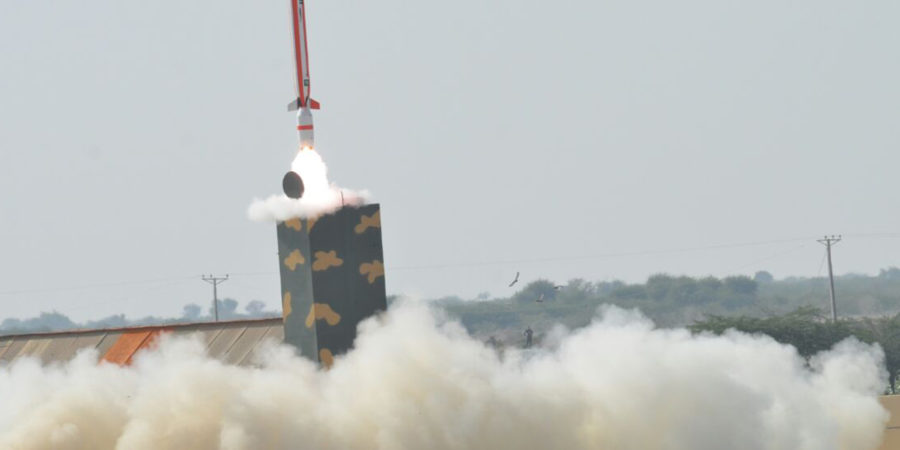
RAWALPINDI, DEC 14, (DNA) – Pakistan today conducted a successful test of an enhanced version of the indigenously developed Babur Cruise Missile. Babur Weapon System version – 2 incorporates advanced aerodynamics and avionics that can strike targets both at land and
sea with high accuracy, at a range of 700 kilometers. It is a low flying, terrain hugging missile, which carries certain stealth features and is capable of carrying various types of warheads.
Equipped with state of the art navigational technologies of Terrain Contour Matching (TERCOM) and all time Digital Scene Matching & Area Co-relation (DSMAC) which enables it to engage various type of targets with pinpoint accuracy even in the absence of GPS navigation. Babur Weapon System is an important force multiplier for Pakistan’s strategic defence.
Today’s launch was witnessed by Chairman Joint Chiefs of Staff Committee General Zubair Mahmood Hayat, senior officers from Strategic Plans Division, Strategic Forces, scientists and engineers of strategic organizations.
Chairman Joint Chiefs of Staff Committee congratulated the scientists and engineers on achieving yet another milestone of great value and significance. He appreciated the technical prowess,
dedication and commitment of scientists who contributed to the success of this launch. Expressing his full confidence over the Strategic Command and Control System and the Strategic Forces’ operational preparedness, CJCSC stated that this test further strengthens
Pakistan’s Deterrence Capability. The President and the Prime Minister of Pakistan have congratulated the scientists and engineers on successful conduct of today’s missile test.=DNA
==============
Related News

OGRA announces minor increase in Petrol and Diesel prices effective July 29
ISLAMABAD, JUL 28 /DNA/ – The Government of Pakistan, through the Ministry of Energy (PetroleumRead More
Kuwaiti Foreign Minister arrives in Islamabad
ISLAMABAD, JUL 28 /DNA/ – Sheikh Jarrah Jaber Al-Ahmad Al-Sabah, Minister of Foreign Affairs ofRead More
Comments are Closed