

Youth Panchayat under BELIEF Project highlights barriers faced by minorities
DNA
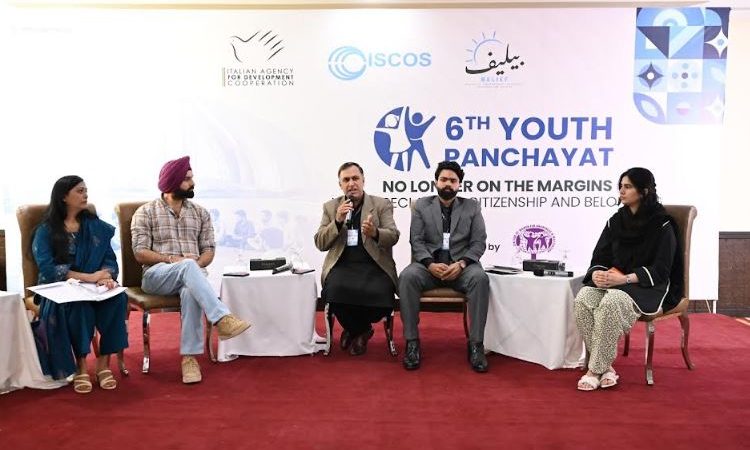
ISLAMABAD: A Youth Panchayat was successfully convened under the BELIEF Project on April 13, 2026, at Ramada Islamabad, bringing together young leaders, experts, and practitioners to deliberate on the critical issue of minority rights in Pakistan. The event was held under the theme “Youth No Longer on the Margins: Minorities Reclaiming Citizenship and Belonging.”
The Panchayat featured three dynamic panels Majority, Minority, and Experts creating a platform for inclusive dialogue and diverse perspectives on fostering social cohesion and equitable citizenship.
Minority Panel
The Minority Panel comprised of Ms. Kiran Peter, Founder and Executive Director of Weaving People to Grow Foundation; Mr. Christopher Sharaf, National Coordinator/Consultant at Saiban-e-Pakistan; Mr. Harmeet Singh, Anchor; Mr. Sharmoon Javed Ms. Shahrish — minority rights activitists. The discussion focused on barriers faced by minorities, including biases in curriculum, lack of grassroots awareness, and systemic inequalities, while also highlighting the need for allyship and increased social interaction between communities.
Ms. Peter stated:
“Minorities do not seek special treatment only equal rights, dignity, and a genuine sense of belonging as citizens of this country.”
Majority Panel
The Majority Panel included Ms. Saeeda Bano, Deputy Chief Manager at SBP-BSC — Financial Inclusion Unit; Zeeshan Naqvi, Focal Person of the Prime Minister’s Youth Programme; Dr. Faisal Abbasi from, Professor at School of Social Sciences NUST; Mr. Izzat Kamal Pasha, General Secretary of the CDA Employees Union; and Arwa Mudassir, a minority rights activist. The panelists emphasized the importance of institutional responsibility, inclusive policymaking, and narrative change within the majority community, highlighting the need for equitable representation and proactive allyship.
Saeeda Bano remarked:
“The responsibility of inclusion lies with the majority through institutional reforms and everyday actions, we must ensure minorities feel equal, respected, and represented in all spheres of society.”
Expert Panel
The Expert Panel featured Ms. Asiya Nasir, Former MNA; Ms. Rabia Razzaque, Senior Program Manager at ILO; Mr. Dileep Joshi – expert analyst; Mr. Abdur Rehman Hur Bajwa, Member of the Islamabad Bar Council; and Mr. Fahad Barlas, Vice President of the Rawalpindi Chamber of Commerce and Industry. The panel provided insights into legal frameworks, policy gaps, and socio-economic dimensions of minority inclusion, emphasizing the need for stronger legal protections and cross-sector collaboration.
Ms. Asiya Nasir observed:
“Addressing minority rights requires a comprehensive approach strengthening legal frameworks, ensuring implementation, and fostering collaboration across all sectors of society.”
In his remarks, Mr. Syed Muhammad Ali Shah, Country Head of ISCOS, appreciated the initiative and stated:
“Platforms like the Youth Panchayat are vital for fostering dialogue and understanding. Building an inclusive Pakistan requires collective responsibility, where every citizen—regardless of background—feels valued, protected, and empowered”
The event concluded with a renewed commitment from stakeholders to continue advocating for minority rights and to strengthen efforts toward an inclusive and equitable society where all citizens feel a sense of belonging.
Related News
Prime Minister Shehbaz Sharif Receives Telephone Call from Canadian PM Mark Carney
ISLAMABAD, APR 13: /DNA/ – Prime Minister Muhammad Shehbaz Sharif received a telephone call fromRead More
Youth Panchayat under BELIEF Project highlights barriers faced by minorities
DNA ISLAMABAD: A Youth Panchayat was successfully convened under the BELIEF Project on April 13,Read More
Comments are Closed