

Pakistan must rethink its economic priorities
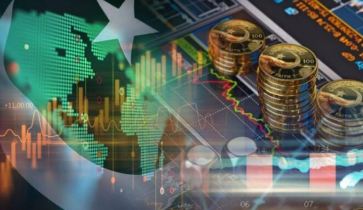
The International Monetary Fund (IMF) has approved a release of one billion dollars for Pakistan, a move that has been welcomed by the government as a much-needed boost to a faltering economy. But amidst official optimism and public relief, the uncomfortable truth remains: this is not a moment to celebrate, but one for serious introspection.
At best, the IMF disbursement is a band-aid over a gaping economic wound. Yes, it may help stabilize the rupee temporarily, ease balance of payments concerns, and signal some international confidence. But we must ask: what are we really celebrating? This is borrowed money, not earned capital. Pakistan’s foreign reserves remain heavily reliant on external deposits and loans — whether from Saudi Arabia, the United Arab Emirates, or the IMF. In contrast, neighboring India has built a robust foreign exchange reserve base of over $640 billion as of 2024, most of which is sourced from strong exports, remittances, and a diversified economy. Pakistan, on the other hand, barely scrapes together reserves that can cover a few weeks of imports.
This situation is not just dire — it is humiliating. As a nation, we have become accustomed to rejoicing over bailouts, celebrating loans as if they were achievements. It reflects a deeper malaise in our political and economic culture. Borrowing is not inherently shameful — every country does it. But perpetual reliance on external help, with no signs of internal structural reform or self-reliance, certainly is.
It is high time we changed course. Pakistan must prioritize increasing its exports by investing in value-added industries, supporting small and medium enterprises, and improving trade facilitation. Simultaneously, we need to curb unnecessary imports, especially luxury goods that drain precious foreign exchange. A comprehensive strategy for import substitution is long overdue.
This economic stagnation is particularly dangerous given the current geopolitical tensions, especially with India. A war-ridden country cannot afford to have an economy this fragile. Economic strength is as much a tool of national defense as military capability. Instead of investing in sustainable growth, innovation, and education, we are stuck in a cycle of political instability, administrative incompetence, and short-term fixes.
To reverse this trend, we must accept some hard truths. Political instability is poison for economic development. Investors — both foreign and domestic — shy away from uncertainty. The constant infighting, polarization, and frequent changes in policy direction deter long-term investment and destroy any chance of continuity in economic planning. A national consensus on economic priorities, shielded from political fluctuations, is essential.
The release of one billion dollars may keep Pakistan afloat for a while, but unless we address the root causes of our economic fragility, we will continue to lurch from one bailout to the next. Let this not be a moment of celebration, but a wake-up call. We must change our mindset, our policies, and most importantly, our priorities — from surviving on loans to thriving through self-reliance.
By Ansar M Bhatti/daily Islamabad Post
Related News
66 Years of Stability Undone by Unilateral Abeyance
by Muhammad Mohsin Iqbal Water is the essence of life, and it is through itsRead More

Protecting children, protecting dreams: The urgent need for child protection
By Nabeela Aslam At 13, Bushra should have been sitting in a classroom, preparing forRead More
Comments are Closed