

Pakistan-Afghanistan tensions seen boosting Taliban supreme leader’s position
Shamim Shahid
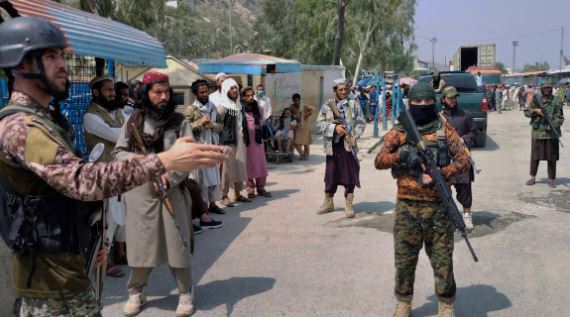
ISLAMABAD, MAR 10 /DNA/ – Recent cross-border clashes and diplomatic tensions between Pakistan and Afghanistan are being viewed by analysts as inadvertently strengthening the authority of the Taliban’s supreme leader, Hibatullah Akhundzada, within the Islamic Emirate of Afghanistan.
Sources familiar with the developments said the escalation comes at a time when several senior Taliban officials were reportedly preparing to raise concerns about the administration’s strict policies and growing international isolation.
Diplomatic observers suggest that ministers and deputy ministers had planned to submit a message urging policy reforms to address the public’s discontent.
“The internal discussion was aimed at aligning leadership decisions with the realities on the ground,” said an official associated with international monitoring organisations, including the United Nations. “Some leaders intended to inform the supreme leader that certain decrees and policies were causing frustration among Afghan citizens and widening the gap between the government and the people.”
Analysts note that Pakistan’s military operations, which began in October 2025 and resumed after a brief ceasefire in February 2026, have shifted focus away from these internal debates. “External conflict often sidelines dissenting voices,” said a regional analyst. “In this case, the escalation may have consolidated the supreme leader’s authority while stalling reform efforts within the Taliban administration.”
Since the Taliban takeover of Kabul in August 2021, the government has faced widespread criticism over human rights violations, restrictions on women’s education and employment, and political repression. Ahead of International Women’s Day, former US envoy to Afghanistan Zalmay Khalilzad called on the Taliban to allow Afghan girls and women to attend schools and universities, highlighting ongoing international concern.
Public opinion analysts in Afghanistan and abroad say the recent escalation may have strengthened hardline positions within the Taliban, reducing momentum for internal reform and silencing voices calling for changes in strict policies. However, experts caution that the full impact of external pressures on Taliban decision-making remains uncertain.
This development raises questions about whether the clashes represent ordinary military action or a calculated move to reinforce existing leadership structures amid Afghanistan’s ongoing political and humanitarian crisis.
Related News
Pakistan-Afghanistan tensions seen boosting Taliban supreme leader’s position
Shamim Shahid ISLAMABAD, MAR 10 /DNA/ – Recent cross-border clashes and diplomatic tensions between PakistanRead More
Afghan instability costs Pakistan billions in trade losses: IRS
ISLAMABAD, MAR 4 /DNA/ – Speakers at a policy dialogue hosted by the Institute ofRead More
Comments are Closed