

Waqf, Zakat reforms key to socio-economic uplift: Experts
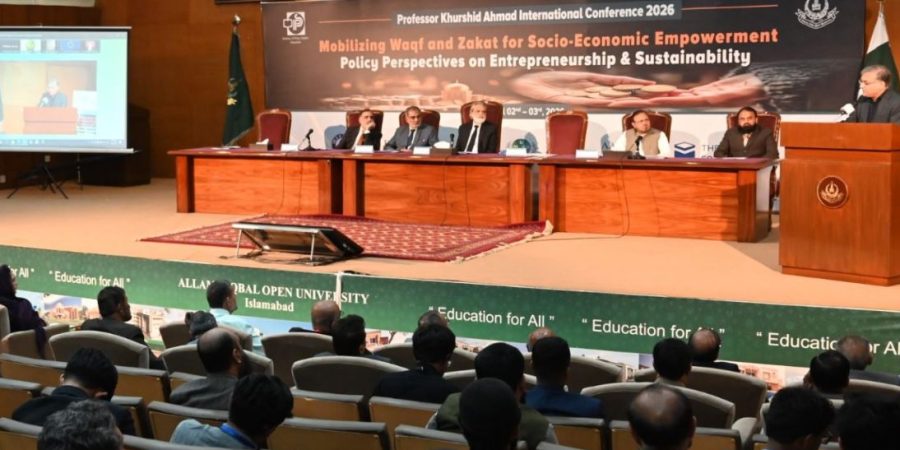
ISLAMABAD, Apr 3: /DNA/ – Experts on Thursday stressed that institutional reform, technological integration and adherence to the principles of Maqasid al-Shariah were essential to revitalize Waqf and Zakat systems for socio-economic empowerment.
The views were expressed on the opening day of the Professor Khurshid Ahmad International Conference 2026, jointly organized by the Institute of Policy Studies and Allama Iqbal Open University. The two-day moot is focusing on mobilizing Waqf and Zakat as structured tools for sustainable and inclusive development.
Speakers highlighted that both Zakat and Waqf have historically played a vital role in equitable wealth distribution and social welfare, but their effectiveness in the Subcontinent has declined over time due to weak governance, corruption and lack of regulatory frameworks, eroding public trust.
They emphasized the need to enhance transparency and efficiency through modern tools, including financial technologies and artificial intelligence, citing examples from countries like Türkiye, Malaysia, Indonesia and Kuwait where reforms have improved outreach and institutional performance.
The participants underscored that Islam provides a comprehensive socio-economic framework, and any Islamic financial model must align with the country’s socio-political realities to ensure inclusive growth. They stressed that revitalized Waqf and Zakat systems could help address poverty and widening inequalities through sustainable mechanisms.
Experts also called for shifting the focus from mere financial assistance to skill development and entrepreneurship, enabling beneficiaries to achieve long-term economic independence.
Critiquing the prevailing market-driven development paradigm, speakers said Islamic economic principles offer a more balanced approach that integrates ethical and social considerations with economic progress.
They also reflected on the intellectual contributions of Professor Khurshid Ahmad, emphasizing the need to revisit his ideas to address contemporary challenges in a coherent and integrated manner.
Speaking on the occasion, IPS Chairman Khalid Rahman said growing geopolitical tensions and economic uncertainties have increased the need for alternative development models that prioritize collective well-being. He noted that institutions like Waqf and Zakat can play a critical role in reconstruction and development, particularly in post-crisis situations.
Related News

Traffic Police issued travel advisory amid rainfall
RAWALPINDI, Apr 03: Intermittent rainfall continued throughout Friday in Murree, making roads slippery and hazardousRead More

Islamabad jolted by earthquake
Mahnoor Ansar ISLAMABAD, APR 3: /DNA/ – Islamabad was jolted by noticeable earthquake tremors onRead More
Comments are Closed