

The collapse of the system: Naqvi’s stark warning
The challenge now is to translate Naqvi’s words into action. If the system is indeed broken, then piecemeal reforms will not be enough. Structural changes are required. But here is the crux: system change will not serve its purpose unless the people running it change too
Analysis
Ansar Mahmood Bhatti
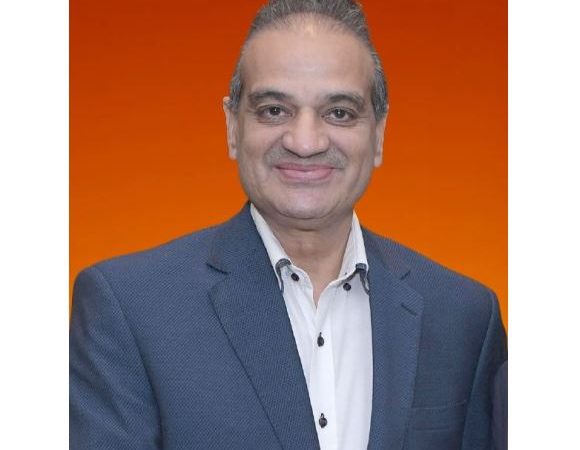
Interior Minister Mohsin Naqvi’s recent statement that “the present system has collapsed” has sent shockwaves across Pakistan’s political landscape. His blunt assessment that democracy is not delivering and that people are living miserable lives is both a reflection of public sentiment and a rare admission from within the corridors of power. Yet, while Naqvi’s words resonate with truth, they also raise more questions than answers.
Naqvi argued that the system must be replaced with a new one, though he stopped short of specifying what that alternative should be. This omission is critical. Diagnosing the disease without prescribing a cure leaves the nation in limbo. Pakistanis are painfully aware of the failures of governance, corruption, and inefficiency. What they crave is a roadmap toward reform, not just a declaration of collapse.
But here lies the deeper issue: even if a new system were to be introduced, would it serve its purpose? The harsh reality is that a system change alone will not suffice. If the same individuals with the same entrenched egos, corrupt practices, and outdated mindsets are tasked with running any new framework, it will be a futile exercise. What Pakistan needs is not merely a change of faces, but a change of mindset, a change of egos, and a genuine commitment to democratic values.
Naqvi’s critique did not spare the business elite. He pointed out that corrupt politicians are sustained by equally corrupt businessmen who fund election campaigns and make hefty donations to political parties. This nexus perpetuates a cycle of bad governance. If businessmen were to stop financing corrupt actors, “bad people will be weeded out.” One may agree with this logic, but again, the minister did not outline mechanisms to enforce such accountability. Without structural reforms campaign finance laws, transparency in donations, and independent oversight the cycle will continue unchecked.
This is where watchdogs of democracy must step in. Those who wield actual power whether in the establishment, judiciary, or civil society must serve as guardians of the democratic process. If the government does well, they should support it. If it falters, they must hold it accountable and demand corrective measures. This balance of support and scrutiny would be a great service to the nation, ensuring that democracy evolves into a system that truly serves the people.
Perhaps the most intriguing aspect of Naqvi’s remarks was the ambiguity surrounding the “collapse” of the system. Did he mean only the political class, or was he also pointing a finger at the establishment? After all, if the system has collapsed, then every stakeholder, politicians, bureaucrats, businessmen, and yes, the establishment must share the blame. It is no secret that the establishment has played a decisive role in making and breaking governments. If politicians are to change course, the other side must also mend its ways. Without mutual accountability, reform will remain a distant dream.
Naqvi’s assertion that “all political stakeholders must sit together” is perhaps the most constructive part of his statement. National reconciliation is the need of the hour. But reconciliation cannot be selective. If the minister truly believes in dialogue, he must ensure that the leadership of Pakistan Tehreek-e-Insaf (PTI) is also brought to the table. Imran Khan and his detained colleagues must be freed to participate in a genuine political process. Excluding PTI from dialogue would render any reconciliation hollow and deepen divisions.
Despite the gaps in his argument, Naqvi’s statement rings true. Democracy in Pakistan has failed to deliver on its promises. Ordinary citizens struggle with inflation, unemployment, and insecurity. Institutions are weak, and corruption is rampant. The people’s faith in the system has eroded to the point where even a sitting minister acknowledges collapse. This honesty is refreshing, but honesty alone will not suffice. What Pakistan needs is a blueprint for reform.
The challenge now is to translate Naqvi’s words into action. If the system is indeed broken, then piecemeal reforms will not be enough. Structural changes are required. But here is the crux: system change will not serve its purpose unless the people running it change too. A new constitution, a new electoral framework, or a new governance model will collapse under the weight of old habits if the same actors continue to dominate.
Pakistan’s tragedy has always been that reforms are announced with fanfare, but implemented by individuals who have little interest in genuine change. The recycling of political elites, the persistence of patronage networks, and the arrogance of unchecked egos have ensured that every new system eventually mirrors the old one. Unless mindsets evolve, no reform will succeed.
Ultimately, Pakistan’s crisis is not just institutional; it is psychological. The collapse of the system is rooted in the collapse of values. Greed, ego, and short-term gains have replaced service, humility, and long-term vision. Unless these mindsets change, no system will deliver.
The nation needs leaders who see politics as public service, not personal enrichment. It needs businessmen who invest in transparency, not corruption. It needs bureaucrats who prioritize efficiency over red tape. And it needs an establishment that supports democracy rather than manipulating it. Only then can Pakistan rise from the ashes of collapse.
Mohsin Naqvi has spoken the truth: the system has collapsed, and democracy is not delivering. But truth without solutions is dangerous. It breeds despair rather than hope. If Naqvi is serious, he must go beyond diagnosis and lead the effort for reform. For now, Naqvi’s words stand as both an indictment of the present and a challenge for the future. The question is whether Pakistan’s leaders are willing to rise to that challenge!!
Related News
Much ado about new provinces
Analysis Ansar Mahmood Bhatti The debate surrounding the creation of new provinces in Pakistan hasRead More
Pakistan’s next foreign secretary: key names under consideration as Amna Baloch retires
As the date of Amna Baloch’s retirement approaches, the government faces a crucial decision. TheRead More
Comments are Closed