

PIAF calls for stability as feeble rupee keeps hitting economy
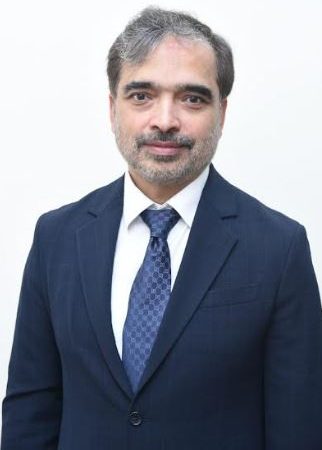
Perturbed with the ongoing political uncertainties followed by unprecedented depreciation of rupee against dollar, the Pakistan Industrial and Traders Associations Front (PIAF) Chairman Faheem Ur Rehman Saigol urged the treasury and opposition to resolve the issues through talks as unrest creating unstable economic conditions, calling for controlling instability of rupee against the US dollar, as the industrial expansion and economic growth is not possible without stable local currency.
Faheem Ur Rehman Saigol, in a joint statement along with senior vice chairman Haroon Shafique Chaudhary and vice chairman Raja Adeel Ashfaq, observed that local currency continued to take a massive hammering at the hands of the US dollar in the inter-bank market, hitting 224 in intra-day trading amid renewed political uncertainty that has wrecked market confidence.
He said that a steep fall in the value of Pakistani rupee against foreign currencies have been causing an addition of trillions of rupees to the public debt, besides high inflation.
He said that the rupee was being quoted at 224 during the day, a massive depreciation of Rs8.8 or nearly 4% against the greenback.
Faheem Ur Rehman Saigol feared that political climate of the country has become unpredictable due to political uncertainty, reducing the level of investment and affecting the economic growth of the country, suggesting the government as well as the opposition parties to settle issues through talks, which the right way to resolve the issues.
He appealed the political leadership to act wisely and show commitment with the country, as the lack of political stability is ruining the trade and economic activities in the country.
Quoting the international rating agencies reports, he observed that heavy import payments and renewed political uncertainty are reasons behind the massive fall of rupee. Additionally, Fitch Ratings’ downgrade of Pakistan’s outlook has also added to the pressure.
He said that compounding uncertainty is the downgrade of Pakistan’s outlook by Moody’s last month and Fitch on Tuesday, as the Fitch Ratings agency downgraded Pakistan’s outlook from stable to negative in view of the significant deterioration in the country’s external liquidity position and financing conditions since early 2022.
Fitch saw considerable risks to the implementation of the IMF programme and to continued access of Pakistan to financing after the program’s expiry in June 2023 in a tough economic and political climate. He added that despite the recovery in remittances, things are not looking good with regards to the political climate, he said.
Moreover, he observed that dollar continued to appreciate against the rupee also because of the higher current account deficit and burgeoning import bills. Besides increasing exports and controlling imports the government will have to take administrative measures.
The PIAF Chairman said that this situation might create unstable economic conditions, generating higher risks, and transforms into low investment while inflation is one of the key sources of uncertainty. The high rate of inflation leaves the nation uncertain about potential investments, he added.
He said that the country is facing a huge economic loss only because of wrong statements and irrational attitude of political players. He said that a week of stalled economic activity costs the country around $ 500 million and $2 billion per month and poor economy like Pakistan cannot afford even one million dollar loss to exports. He said that at a time when country is facing severe internal and external challenges, the situation is bound to affect the national interests.
Related News
Pakistan, Türkiye to sign MoU on judicial cooperation
ISLAMABAD, Apr 5: The Supreme Court of Pakistan will host a high-level delegation from theRead More

KP government launches ‘Ehsas Fuel Support Program’ for motorcycle owners
ABBOTTABAD, Apr 05: The Government of Khyber Pakhtunkhwa has launched the “Ehsas Fuel Support Program”Read More
Comments are Closed