

Pakistan’s Tightrope Diplomacy During the U.S.–Iran War
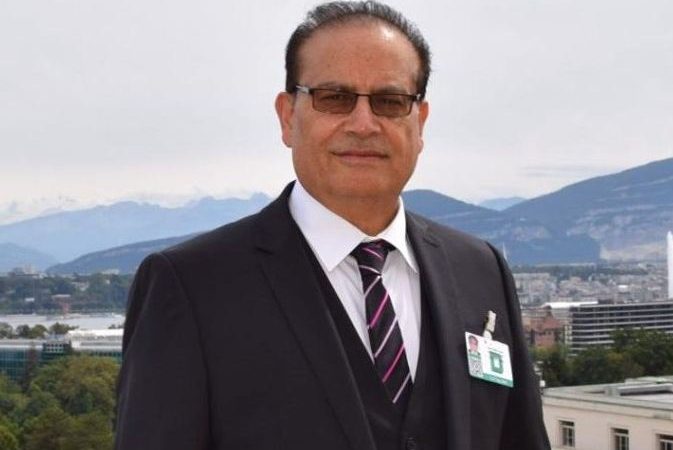
Qamar Bashir
The war between the United States, Israel, and Iran did not erupt suddenly. Beneath the surface of the conflict lay years of planning, strategic positioning, and diplomatic maneuvering aimed at weakening Iran’s nuclear, missile, and regional influence. When the first strikes were launched, they appeared dramatic and unexpected to the outside world, but the broader geopolitical architecture had already been carefully prepared. Alliances were strengthened, intelligence networks expanded, and regional actors were positioned in ways that limited Iran’s ability to respond effectively. In this unfolding strategic landscape, Pakistan found itself walking a diplomatic tightrope, attempting to maintain balanced relations with Iran, Saudi Arabia, and the United States while safeguarding its own national interests.
One of the earliest signals that the geopolitical chessboard was being rearranged appeared soon after the new American administration assumed office. In an unprecedented gesture, the U.S. president hosted Pakistan’s Field Marshal for a high-profile meeting in Washington. The event was widely interpreted as a recognition of Pakistan’s strategic importance in the region and the central role played by its military leadership in shaping the country’s security policies. The meeting suggested that Washington was carefully engaging key regional players as it prepared for a more assertive approach toward Iran.
Following this engagement, Pakistan’s strategic posture began to shift in noticeable ways. Islamabad strengthened its defense cooperation with Saudi Arabia and Qatar, entering into a broader security framework with Gulf states that host significant American military installations. These arrangements reinforced Pakistan’s role in the Gulf’s defense architecture while simultaneously limiting its freedom to openly align with Iran in the event of a regional confrontation. The diplomatic message was clear: Pakistan remained a close partner of the Gulf states and the United States.
At the same time, another important strategic issue emerged. The United States expressed renewed interest in regaining operational flexibility at key regional facilities, including the strategically located Bagram Airbase in Afghanistan. Although the situation surrounding the base remained complex, the discussion itself highlighted Washington’s desire to strengthen its presence in the region and maintain strategic reach across South and Central Asia.
Parallel to these developments, Pakistan’s relations with Afghanistan began to deteriorate rapidly. For decades, despite periods of tension, the two countries had maintained a relationship rooted in shared culture, history, and geography. Even during difficult times, the narrative of fraternity and mutual interest had prevailed. However, increasing cross-border security incidents and accusations of militant infiltration gradually eroded trust. Preventive military strikes by Pakistan against militant targets inside Afghan territory further strained relations, transforming a historically complex but manageable relationship into one marked by deep suspicion.
The deterioration of Pakistan-Afghanistan relations created new geopolitical openings. Afghanistan’s leadership began exploring stronger ties with other regional actors, particularly India. This shift coincided with an already expanding partnership between India and Israel in areas such as defense technology, intelligence cooperation, and cybersecurity. Gradually, these relationships began to intersect in ways that reshaped the regional security environment.
The growing alignment between India and Israel is a part of Israel’s broader long-term strategic thinking. Israeli leaders have historically viewed nuclear and missile programs of Pakistan as potential threats to their national security. In the past, Israel has been associated with efforts to neutralize such capabilities in countries like Iraq, Syria, and others that were perceived as developing strategic weapons. From this perspective, the dismantling of Iran’s strategic infrastructure during the recent conflict is seen by some analysts as part of a wider effort to remove potential threats to Israel’s security.
Within this evolving landscape, Israel is strengthening its security cooperation with India and Afghanistan to position itself to establish spy and intelligence networks in Pakistan by using Afghanistan as a spring board. Similar methods by Israel have been extremely successful in taking out high profile leadership and kinetic and economic assets of Iraq, Syria, Libya, Lebanon, Qatar Yemen and Iran and the world over.
For Pakistan, these developments highlight the importance of vigilance and preparedness. The experience of Iran demonstrates how advanced intelligence capabilities, combined with technological surveillance, can identify and target critical infrastructure with extraordinary accuracy. Pakistan must therefore strengthen its counterintelligence systems, enhance cybersecurity defenses, and protect sensitive strategic facilities to ensure that its leadership and defense capabilities remain secure.
Meanwhile, the war itself delivered a severe blow to Iran’s strategic capabilities. Several key installations associated with its missile, drone, and nuclear programs reportedly suffered extensive damage. Economic infrastructure was also affected as sanctions tightened and regional instability disrupted trade and energy markets. The cumulative effect significantly weakened Iran’s ability to project power across the region.
The consequences of the conflict were felt far beyond Iran’s borders. Global oil markets experienced dramatic volatility, with prices briefly soaring before gradually stabilizing. For Pakistan, an energy-importing nation already struggling with economic pressures, these fluctuations created additional financial strain. Rising fuel prices translated into inflation, higher transportation costs, and growing hardship for ordinary citizens.
Amid these challenges, Pakistan continued to maintain a carefully balanced diplomatic approach. At international forums such as the United Nations, Pakistani representatives emphasized the principles of sovereignty, dialogue, and peaceful conflict resolution. Islamabad expressed concern about escalating hostilities while avoiding steps that might jeopardize its relationships with key partners in the Gulf or with Washington.
This delicate balancing act illustrates the complexity of Pakistan’s geopolitical environment. Few countries must simultaneously manage such diverse relationships with competing global and regional powers. Maintaining constructive ties with Iran, Saudi Arabia, the United States, and other regional actors requires a level of diplomatic precision rarely seen in international politics.
The broader lesson from the crisis is that modern conflicts are often shaped long before the first shots are fired. Strategic alliances, diplomatic engagements, intelligence networks, and regional realignments gradually build the framework within which military operations eventually unfold. By the time war begins, many of the key variables have already been determined.
Pakistan’s experience during the U.S.–Iran conflict underscores the importance of strategic foresight. While the war reshaped the Middle East’s balance of power, Islamabad managed to avoid direct involvement while preserving its relationships with multiple partners. Through cautious diplomacy and calculated restraint, Pakistan maintained stability at home while navigating one of the most volatile geopolitical crises of the decade.
As the region moves forward, Pakistan’s challenge will be to convert this diplomatic survival into long-term strategic advantage. Strengthening economic resilience, enhancing security infrastructure, and continuing a balanced foreign policy will be essential for navigating an increasingly uncertain global order.
In an era defined by shifting alliances and emerging power struggles, Pakistan’s ability to walk the diplomatic tightrope may prove to be its greatest strategic strength. By combining prudence, vigilance, and diplomatic agility, the country can continue to protect its sovereignty, safeguard its strategic assets, and remain a stabilizing force in a turbulent region.
Qamar Bashir
Press Secretary to the President (Rtd)
Former Press Minister, Embassy of Pakistan to France
Former Press Attaché to Malaysia
Former MD, SRBC | Macomb, Michigan
Related News

CPEC under Fire
Muhammad Fazeel The US withdrawal of its troops in Afghanistan in 2021 signified the endRead More

The Decline of a Sacred Profession
by Muhammad Mohsin Iqbal Medicine has long been regarded as a messianic vocation, a sacredRead More
Comments are Closed