

Pakistan: The Candle of Peace
by Muhammad Mohsin Iqbal
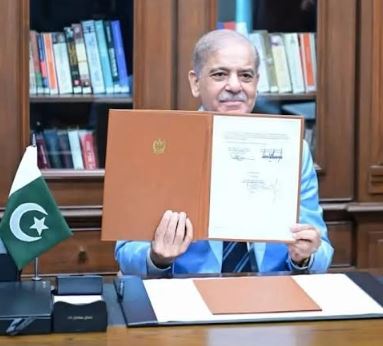
In the grand tapestry of international affairs, where peace prizes have long been the preserve of singular visionaries or dedicated institutions, a remarkable chapter has now been inscribed in the name of an entire nation. On Thursday, Pakistan’s Prime Minister Shahbaz Sharif set his signature upon the Islamabad Memorandum of Understanding, formally establishing Pakistan as the trusted mediator between the United States and Iran. In that solemn act, history itself bent its course, awarding to Pakistan a distinction rarer than any laurel bestowed by distant committees; the mantle of peacemaker among mighty powers.
When the conflict first erupted, the world beheld a blaze fed by ancient grudges and modern suspicions, threatening to consume the Gulf in fire and bloodshed. The waters of Hormuz themselves seemed poised to carry the sparks farther still. Many counselled caution or watched from afar, yet Pakistan chose a braver path. Like a candle thrust into gathering darkness, the nation stepped forward, undeterred by the powder keg at its feet. Such intervention demanded not merely diplomacy but courage of the highest order, the same resolve Pakistan had lately shown in answering provocation with measured strength. In May 2025, the country had already reminded the world that it would not shrink from defending its honour; now it offered that same fortitude in the service of concord.
Pakistan’s good intentions and the tireless efforts of its leadership have paid off magnificently. True mediation, as the elders of the Panchayat have long understood, rests upon prestige and mutual trust. The disputing parties must believe the intermediary capable of justice and wisdom. Pakistan, by virtue of its geographic position, its deep understanding of regional currents, and the integrity of its leadership, possessed precisely these qualities. With patience and clear purpose, Pakistani diplomacy worked to extinguish flames that gunpowder had so easily kindled. The good intentions of the government and the tireless exertions of its envoys have borne fruit. A disaster that might have engulfed economies and nations has been averted, and the world breathes more easily for it—saved from possible catastrophe through this pivotal role of Pakistan.
The document itself, bearing the signatures of the American and Iranian presidents alongside that of Pakistan’s Prime Minister as mediator, stands as a testament to this achievement. The signature of the Pakistani Prime Minister on this historic page is no less than a profound honor for the nation. Few honours could equal the quiet dignity of that page.
By lighting this candle of peace, Pakistan has begun to dispel shadows that had lengthened across the region. Lighting this candle of peace will disperse the possible darkness of the region and the world. Oil supplies, so vital to the arteries of global commerce, now flow once more. With the resumption of oil supply, the world’s shaky economy will recover, and the genie of inflation will be bottled again in the countries affected by this crisis. The persistent unrest that troubled the Gulf waters has been quieted, and this candle of peace has also put an end to the ongoing unrest in the Gulf. The meddlesome intrigues that once disturbed its shores have met their correction. The mischief that Israel had been continuing in the Gulf has also been corrected. Not least among the outcomes is the clarity brought to old imbalances. The biggest success in this whole matter is that America has now thrown the spoiled child that it had been holding in its lap in the form of Israel on the ground, allowing wiser counsels to prevail.
In this realignment, Pakistan has also extended a hand of renewed hope to the broader Muslim world. Pakistan has once again provided the Muslim Ummah with an opportunity to unite. The Ummah, so often divided by circumstance and design, finds before it a fresh opportunity for unity and purposeful cooperation. When brother nations stand together, their collective voice carries farther and their shared endeavours flourish.
For Pakistan itself, the dividends promise to be both immediate and enduring. In addition to the good of the region and the world, closed paths of prosperity and development will also open for Pakistan. Paths long obstructed by tension now open toward prosperity. The suspended project of the gas pipeline between Pakistan and Iran may at last reach its completion, bringing energy and stability to millions. Iranian oil, secured at equitable terms, will ease domestic burdens. Pakistan will be happy to buy oil from Iran at cheap prices. Bilateral trade between Pakistan and Iran, long promising yet underfulfilled, stands ready to double and redouble, carrying development in its wake.
Most precious of all, the peoples of this region may begin to regard one another less as strangers divided by borders and more as members of an extended family bound by faith, geography, and mutual interest. In addition, the people in this region will be united like a family and Muslim countries will proudly play their role in the world. In such an atmosphere, Muslim nations can assume their rightful place on the world stage, not as petitioners but as architects of their own destiny.
None of this has come without cost or risk. To leap into the furnace of Gulf tensions required vision and sacrifice. Yet Pakistan’s leadership weighed the peril against the prize of peace and chose the harder, nobler course. The flame they have kindled will not easily be extinguished, for it draws its light from the timeless human longing for concord amid discord. In an age still shadowed by strife, the world has been reminded that courage paired with wisdom can still bend the arc of events toward justice. Pakistan, by its actions, has written its name not only in the records of diplomacy but in the brighter ledger of history’s peacemakers. The candle burns steadily; may its glow long endure.
Related News

Dengue and the Cost of Waiting
by Muhammad Mohsin Iqbal There is a familiar weakness in the human character; we areRead More

Why Could We Not Preserve the Spirit of Brotherhood of October 8, 2005?
By Muhammad Rafi The morning of October 8, 2005, remains etched in my memory. IRead More
Comments are Closed