

Pakistan, Afghanistan have no alternative but dialogue-based engagement: experts
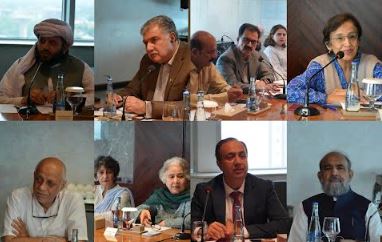
ISLAMABAD, AUG 3: /DNA/ – Despite persistent security challenges, Pakistan and Afghanistan have no viable alternative but to pursue sustained dialogue-based engagement and pragmatic cooperation, calibrated security measures, expanded trade, and stronger Track 1.5/ II diplomacy to rebuild trust and advance bilateral relations, urged the experts during a high-level stakeholder consultation on Pakistan–Afghanistan bilateral developments and the way forward, organized by the Center for Research and Security Studies (CRSS) as part of its multitrack diplomacy initiative Beyond Boundaries.
While opinions differed on the sequencing of priorities – particularly the relationship between security and economic engagement – the discussion broadly highlighted the importance of reviving dialogue, expanding trade and regional connectivity, strengthening people-to-people contacts, countering divisive narratives, and addressing Afghanistan’s humanitarian challenges. Participants also underscored the need to involve business communities, civil society, and Track II actors in confidence-building efforts to help create conditions for a gradual normalization of bilateral relations. The discussion brought together former diplomats, senior military officials, academics, business representatives, civil society leaders, and regional experts.
Fazal Moqeem, Former President of Sarhad Chamber of Commerce and Industry (SCCI), stressed that Pakistan–Afghanistan relations have significant economic stakes beyond security. He noted that many industries in Khyber Pakhtunkhwa rely on trade with Afghanistan and Central Asia, and that prolonged trade disruptions have led to unemployment and economic hardship. He urged both state and non-state stakeholders on either side of the border to revive dialogue through sustained table talks to help address outstanding issues and restore mutually beneficial economic engagement.
Nasir Dawar, Senior Journalist and Tribal Representative from North Waziristan; associated with Wahdat News, highlighted the severe economic impact of strained bilateral relations, noting that many businesses and manufacturing units—particularly those owned by people from the former tribal areas and dependent on Afghan and Central Asian markets—have shut down. He also expressed concern over growing tribal tensions and the rise of hostile anti-Pakistan and anti-Afghanistan narratives, fueled by increasingly polarized social media discourse.
Arbab Qaiser, Chief, Customs Wing, Federal Board of Revenue, underscored the impact of border closures on trade with Central Asia and called for a closer assessment of their economic consequences. He described traders and businesspeople as goodwill ambassadors who can help strengthen bilateral relations and noted that previous ministerial-level engagements had yielded positive outcomes. He emphasized the need to explore how Afghanistan’s business community, with its vested interest in trade with Pakistan, could contribute to addressing shared security concerns.
Maulana Mufti Muhammad Qasim Haqqani, Religious Scholar, noted that nearly 90% of Chaman’s population depends on cross-border trade and border-related economic activity, making the community particularly vulnerable to prolonged disruptions. He highlighted the adverse impact on transport and allied services and shared that local representatives had traveled to Kandahar to urge restraint and protect civilian populations from the effects of cross-border hostilities.
Lieutenant General (R) Inam-ul-Haq argued that geostrategic considerations will continue to outweigh geoeconomic interests in Pakistan–Afghanistan relations. He identified the TTP as the foremost challenge and maintained that meaningful normalization would remain difficult without addressing the group’s presence in Afghanistan. While acknowledging that trade and broader engagement are important, he stressed that hostility between the two countries is neither natural nor desirable and called for a phased approach to normalizing relations, with security concerns addressed alongside economic cooperation.
Tehmina Janjua, former Foreign Secretary of Pakistan, stressed that sustained engagement with Afghanistan remains essential and argued that regime change is neither a realistic nor desirable option. While acknowledging terrorism as a serious concern, she emphasized the importance of expanding trade, strengthening people-to-people ties, and promoting positive narratives to counter growing polarization. Drawing on her experience as Foreign Secretary, she noted that bilateral engagement had previously produced progress on trade and underscored that Pakistan and Afghanistan must resolve their differences through direct dialogue and mutual respect extended at all levels of ties.
Former Pakistani Ambassador to Iran, Riffat Masood argued that both countries have fallen short of making sustained efforts to normalize relations and cautioned against treating border closures as a default response to security incidents. She emphasized that trade helps build trust and supports border communities, noting that commerce often continues even during conflicts. She advocated for greater Track II and local-level engagement to rebuild confidence.
Ammara Durrani, Policy Professional, observed that Pakistan required a broader strategic rethink beyond Afghanistan alone, highlighted the asymmetry in the bilateral relationship and called for elevating Track II engagement into Track 1.5 diplomacy. She also stressed the need for stronger narrative-building by leveraging shared cultural ties and incorporating peace and threat modelling into future engagement efforts.
Former Ambassador Seema Elahi Baloch questioned whether Pakistan and Afghanistan had genuinely exhausted diplomatic avenues, urging greater emphasis on sustained dialogue and engagement before resorting to confrontational measures.
Dr. Qibla Ayaz, member of the Shariat Appellate Bench at the Supreme Court of Pakistan, and Former, Chairman of the Council of Islamic Ideology (CII), Pakistan, urged greater attention to Afghanistan’s humanitarian challenges, including poverty and food insecurity, alongside security concerns. He called for expanding humanitarian cooperation and people-to-people support, particularly in border regions, while emphasizing that Pakistan should strengthen its economic and diplomatic engagement with Afghanistan to avoid losing strategic space to regional competitors.
Hamid Sharif, Former Country Director for China, Asian Development Bank; former head of AIIB’s compliance and integrity function, emphasized that trade and business remain the cornerstone of Pakistan–Afghanistan relations, arguing that official figures underestimate the true scale of bilateral commerce. He cautioned that hasty policy decisions have undermined economic activity and called for a shift in mindset, urging greater pragmatism in policymaking and a more proactive role for civil society in fostering regional cooperation.
Imtiaz Gul, Executive Director CRSS, observed that Pakistan–Afghanistan relations remain frozen and called for leveraging the collective expertise of policymakers, practitioners, and civil society to help rebuild trust and revive constructive engagement between the two countries.
Related News

“Portuguese expertise, Pakistani Talent”: Portugal’s ambassador applauds SIFC-facilitated football academy
ISLAMABAD, Oct 12 (DNA): Ambassador of Portugal to Pakistan Paulo Domingues has lauded the establishmentRead More
(Untitled)
ISLAMABAD, OCT 12 /DNA/ – Foreign Secretary Ambassador Asim Iftikhar Ahmad called on President AsifRead More
Comments are Closed