

Mohsin Naqvi’s leadership accelerates development across Islamabad
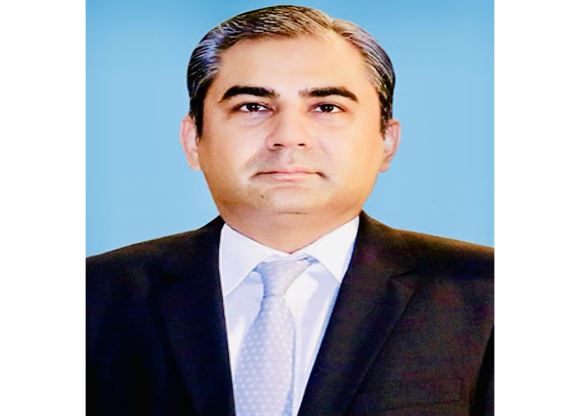
ISLAMABAD, FEB 20 /DNA/ – Mohsin Naqvi has emerged as a man of action whose dynamic leadership at the Ministry of Interior and oversight of the Capital Development Authority (CDA) has accelerated Islamabad’s transformation into a modern, efficient, and sustainable capital. Popularly termed “Mohsin Speed,” his governance style reflects decisiveness, strict monitoring, and timely completion of projects yielding tangible improvements in planning, infrastructure, service delivery, and law enforcement.
Islamabad holds immense importance as the federal capital of Pakistan, symbolizing the unity, faith and discipline, sovereignty, and administrative authority of the state. As the seat of the Government of Pakistan, it houses the Presidency, Parliament, Supreme Court, Prime Minister’s Office, and key federal ministries, making it the center of national decision making and governance.
Islamabad located strategically at the foothills of the Margalla Hills, which was purposefully developed to serve as a planned and modern capital of Pakistan. Unlike many organically grown cities, it was designed with a structured master plan that ensures organized sectors, green belts, and efficient infrastructure. This planned character reflects Pakistan’s vision for orderly development and institutional stability.
As a diplomatic hub, Islamabad hosts foreign embassies, international organizations, and global conferences representing Pakistan on the world stage. Major national institutions, policy-making bodies, reinforcing its role in safeguarding national interests and maintaining law and order.
Islamabad is also a symbol of cultural harmony and national identity. Citizens from all provinces and regions reside and work here, making it a microcosm of Pakistan’s diversity. Its educational institutions, research centers, and administrative academies contribute significantly to policy development and human resource capacity building.
Furthermore as the federal capital, Islamabad sets standards in governance, urban planning, environmental sustainability, and public service delivery for the rest of the country. Its development reflects the state’s commitment to progress, transparency, and modernization.
In essence, Islamabad is not merely a city; it is the heart of Pakistan, as well as diplomatic face, and administrative backbone of Pakistan, playing a pivotal role in shaping the nation’s present and future.
Under the dynamic and visionary leadership of Mohsin Naqvi’s approach has been revitalizing Islamabad’s master plan through focused sector development. Long-pending infrastructure gaps in developing sectors have been addressed through accelerated provision of roads, drainage systems, streetlights, and utility networks. Emphasis on planned expansion has ensured that new sectors as well as model projects like Margalla Enclave are not merely residential and commercial extensions but are being developed with full pace to make them fully functional urban units equipped with essential services.
Simultaneously, older sectors have undergone rehabilitation through road carpeting, sewerage upgrades, and restoration of parks, lakes, food streets, parking plazas, and construction of sports and recreational facilities especially construction of Cricket Stadium of international standards. This planned and innovated developed strategy has helped maintain Islamabad’s planned character while accommodating increasing population growth of Islamabad.
The Construction of Roads, Interchanges, underpasses, bridges and Pedestrian Infrastructure has been executed with unprecedented pace. Construction of new roads, widening of existing arteries, and remodeling of congested intersections have significantly improved traffic flow. Underpasses and interchanges at key junctions have reduced bottlenecks and commuting time.
The uplifting and construction of
Pedestrian bridges have been enhanced safety and urban mobility, reflecting an inclusive planning philosophy. These projects not only facilitate smooth traffic movement but also contribute to economic productivity and public convenience.
Uplifting of Important Buildings and Public Spaces especially
Urban renewal has extended to the beautification and upgrading of prominent public buildings, including the iconic Jinnah Convention Centre. Renovation and modernization efforts have enhanced its functionality for national and international events, projecting Islamabad as a capable host city.
Public spaces, avenues, and roundabouts have been landscaped and illuminated, reinforcing the city’s aesthetic appeal. Such initiatives have elevated Islamabad’s international image and strengthened civic pride.
The Transformation of CDA Nursery into Gardenia Hub is a very
notable initiative under Mohsin Naqvi’s leadership which has been transforming the CDA nursery into a vibrant Gardenia Hub. This initiative has promoted horticulture, environmental awareness, and public engagement with green spaces. By integrating landscaping innovation with commercial and recreational value, the Gardenia Hub symbolizes Islamabad’s commitment to sustainability and environmental stewardship. Similarly,
the Solid Waste Management and Eid Operations were planned and executed very successfully which have been another key area of success. Modernized waste collection systems, mechanized cleaning, and strict monitoring have future ensured cleaner streets and neighborhoods. Special arrangements during religious ceremonies and festivals particularly Eid-ul-Fitr and Eid-ul-Adha—have demonstrated excellent administrative preparedness. During Eid-ul-Adha, when waste management becomes especially challenging, coordinated operations of CDA ensured swift disposal of animal remains, preventing health hazards and maintaining sanitation standards.
The
Establishment of Islamabad Water Agency is an other major step of CDA under the leadership of Mohsin Naqvi in
Recognising growing water demands. This strategic step aims to address both present and future water needs through integrated planning, resource management, and infrastructure development.
The agency focuses on reducing leakages, improving supply networks, introducing modern metering systems, and exploring new water sources. By institutionalizing water governance, Islamabad is better positioned to achieve long term water security. Similarly,
Digitization and Computerization of Land Records of CDA and ICT will be further helpful in improving
Transparency and efficiency
through digitization initiatives. Computerization of land records will also help in improving performance as well as minimising fraud, expedited property transfers, and enhanced investor confidence. Online approval systems for building maps, approval of layout plans and issuances of NOC of buildings as well as other projects will also help in reducing bureaucratic delays and improved service delivery through CDA’s one window facilitation Center. Moreover,
The digital transformation of CDA records and information further aligns with the broader vision of e-governance, ensuring that citizens can access essential services conveniently and transparently. Most importantly, there is
Zero Tolerance policy across the board policy and actions are on full pace against Illegal encroachment, Constructions and Societies on the directions of Mohsin Naqvi.
A strict, across-the-board policy against illegal buildings and unauthorized housing societies has been enforced. Under a zero-tolerance approach, enforcement operations have been conducted without discrimination, reinforcing rule of law. This decisive action has safeguarded urban planning integrity and protected citizens from fraudulent schemes.
The
Maintenance of Law and Order
is the top most priority of Interior Minister, Mohsin Naqvi for a safe, liveable, prosperous Islamabad. Enhanced coordination among law enforcement agencies, expansion of surveillance systems through safe city cameras across Islamabad and proactive policing and patrolling have contributed to a stable environment conducive to economic activity and diplomatic engagements.
The visible transformation of Islamabad under Mohsin Naqvi’s leadership has drawn appreciation from the Honourable Prime Minister of Pakistan and various stakeholders across society. The concept of “Mohsin Speed” has become synonymous with efficiency, accountability, and results-oriented governance
Through strategic planning, infrastructure development, environmental stewardship, digital reforms, and strict law enforcement, Mohsin Naqvi has demonstrated that decisive leadership can bring rapid and sustainable change. His stewardship of the Capital Development Authority (CDA) and the Ministry of Interior reflects a comprehensive vision for making and transforming Islamabad a beautiful, clean, green, safe and modern capital of the world.
The Islamabad today stands not only as Pakistan’s administrative center but increasingly as a model of urban transformation, shaped by commitment, innovation, and the action-oriented governance widely recognized as “Mohsin Speed.”
Related News

CM welcomes US–Iran ceasefire, praises Pakistan’s role in promoting global peace
LAHORE, Apr 8: Punjab Chief Minister Maryam Nawaz Sharif welcomed the ceasefire between the UnitedRead More
Pakistan condemns attack on Kuwait’s Consulate in Basra
ISLAMABAD, APR 8 /DNA/ – Pakistan’s Ministry of Foreign Affairs has expressed deep concern overRead More
Comments are Closed