

Maharashtra bandh hits normal life over Dalit rights grievances
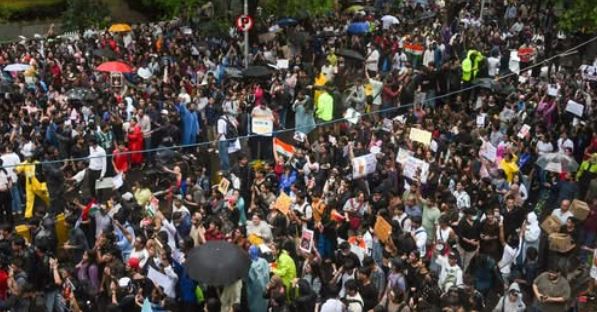
MUMBAI, JUL 25 /DNA/ – A state-wide shutdown in Maharashtra, backed by Dalit student groups and community organizations, brought normal life to a halt on Thursday as protesters voiced deep-seated frustration over the erosion of equal opportunities, delayed justice, and systemic discrimination. The bandh, the latest in a series of escalating demonstrations, laid bare the simmering anger within marginalized communities over what they describe as the state’s inadequate response to their long-standing grievances.
From early morning, protestors blocked key roads and railway tracks in cities like Nagpur, Pune, and Mumbai’s eastern suburbs, while marketplaces remained shuttered in solidarity. At the epicenter of the agitation in Nagpur, thousands of students marched under a sea of blue flags, chanting slogans demanding the protection of constitutional rights and harsher penalties for hate crimes targeting Scheduled Castes.
“These demonstrations are not just about one incident; they reflect broader frustrations about discrimination, unequal treatment, and the failure of authorities to protect our community,” said Priya Sonkamble, a law student and protest organizer. “When marginalized communities take to the streets to defend their rights and future, our voices deserve to be heard—not silenced.”
The immediate trigger for the unrest stems from recent legal battles over reservation policies in education and public employment, which protesters argue are being systematically diluted. However, activists stress that the agitation runs much deeper, fueled by a surge in caste-based violence and perceived institutional apathy. Students claim that campuses remain hostile environments where access to equal opportunities is blocked by tacit discrimination, and complaints are routinely ignored.
Throughout the day, protest leaders listed key demands, including the strict enforcement of the Scheduled Castes and Tribes (Prevention of Atrocities) Act, an increase in scholarships and hostel facilities for Dalit students, and an unequivocal guarantee that existing reservation quotas will not be revised through judicial or executive intervention. They also demanded an immediate halt to what they term the “criminalization of protest,” citing cases where peaceful demonstrators were detained.
The bandh, though largely peaceful, caused significant disruption. Internet services were suspended in several sensitive districts to prevent the spread of rumors, while police personnel in riot gear were deployed outside university campuses. State Home Ministry officials reported minor incidents of stone-pelting in Latur district, but no major injuries.
In a short statement, the state government appealed for calm and assured that the chief minister is “sensitive to the concerns of the student community.” However, critics argue that official assurances ring hollow without concrete action.
Political analysts note that the Maharashtra bandh is symptomatic of a wider national trend where Dalit-Adivasi communities are increasingly resorting to mass mobilizations to make themselves heard. “The frustration is palpable,” said Dr. Anand Teltumbde, a scholar on caste and social movements. “When the legal and political system fails to deliver justice, the street remains the only platform for the disenfranchised. Ensuring equal access to education and protecting the right to peaceful protest are not concessions; they are essential to upholding the rule of law.”
As evening fell and the bandh officially ended, student leaders vowed to continue their struggle. With the monsoon session of the state legislature approaching, the protests serve as a stark reminder that without meaningful dialogue and reform, the chasm between India’s marginalized communities and the state is poised to widen.
Related News

Saudi Arabia welcomes UN Security Council condemnation of Houthi attacks
RIYADH: Saudi Arabia’s Cabinet on Tuesday welcomed a UN Security Council statement condemning Houthi attacksRead More
Turkey submits Mecca Defense Alliance agreement to parliament for ratification
ANKARA: Turkey has submitted the Mecca Defense Alliance agreement to parliament for ratification, an AlRead More
Comments are Closed