

Local govt elections postponed again: a blow to democracy
Editorial
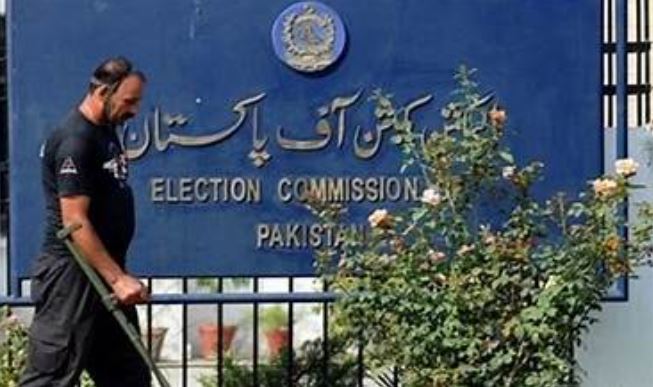
ISLAMABAD: The federal cabinet’s decision on Friday to once again postpone local government elections in Islamabad has sparked widespread disappointment and concern. This marks the third time the polls have been delayed, raising serious questions about the government’s willingness to empower grassroots democracy. Local governments are often described as the “true governments of the people,” yet citizens in the capital remain deprived of this fundamental democratic right.
The repeated postponements appear to stem from political calculations. Analysts argue that the ruling coalition fears a strong showing by Pakistan Tehreek-e-Insaf (PTI) in Islamabad, which could expose the government’s declining popularity. After two years in power, the administration seems reluctant to face the electorate at the local level, worried that voters may punish it for poor governance, inflation, and unmet promises. This hesitation reflects not only a lack of confidence but also a troubling disregard for democratic norms.
The tragedy of this decision lies in its impact on ordinary citizens. Local governments are designed to address everyday issues—clean water, sanitation, education, and municipal services—that directly affect people’s lives. By postponing elections, the government denies citizens the opportunity to choose representatives who can respond to their immediate needs. Instead, bureaucratic control continues to dominate, often leaving communities frustrated and voiceless.
This is not an isolated incident. In Balochistan, local government elections were postponed just days before polling was scheduled, leaving candidates and voters in limbo. Punjab too faces similar uncertainty, with repeated delays undermining the credibility of the electoral process. These patterns suggest a broader reluctance across provinces to devolve power to the grassroots, despite constitutional obligations.
Critics argue that such postponements weaken democracy and erode public trust. When governments avoid elections out of fear of losing, they signal insecurity and poor performance. Citizens begin to question whether their leaders truly believe in democratic accountability or merely seek to cling to power. The longer these delays persist, the greater the risk of alienating the public and fueling political instability.
Ultimately, democracy thrives when governments trust the people and allow them to decide. Postponing local government elections again in Islamabad—and elsewhere—sends the opposite message. It reflects a government unwilling to face its citizens, fearful of backlash, and hesitant to embrace the very system it claims to uphold. For Pakistan’s democracy to strengthen, local governments must be empowered, not sidelined.
Related News

Pakistan’s fuel price fiasco: a betrayal of the common man
In a decision that has sparked nationwide outrage, the Pakistani government has imposed a staggeringRead More

Pakistan’s fuel price debacle: a ruthless assault on the poor
EDITORIAL In a move that has ignited widespread fury across Pakistan, the government has hikedRead More
Comments are Closed