

Islamabad’s growing cleanliness crisis: a capital losing its shine
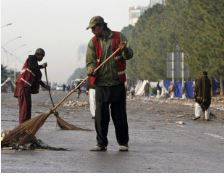
A walk through many streets of the G sectors reveals a worrying picture. Garbage remains uncollected for days, overflowing waste bins are becoming a common sight, and shopping bags, plastic bottles, and other litter are scattered along roadsides and green areas. Residents complain that sanitation workers rarely visit some localities, forcing people to live amid growing piles of waste
Staff Report
Islamabad was once celebrated as one of the cleanest and most organized capitals in the region. Its wide roads, green belts, orderly sectors, and scenic surroundings made it a model city. Today, however, residents of several G sectors are witnessing a disturbing decline in cleanliness standards, raising serious questions about the effectiveness of the city’s sanitation management.
A walk through many streets of the G sectors reveals a worrying picture. Garbage remains uncollected for days, overflowing waste bins are becoming a common sight, and shopping bags, plastic bottles, and other litter are scattered along roadsides and green areas. Residents complain that sanitation workers rarely visit some localities, forcing people to live amid growing piles of waste. The situation is particularly concerning in residential streets where garbage accumulates near homes, creating unpleasant odors and potential health hazards.
The Capital Development Authority (CDA) had outsourced parts of its cleaning and sanitation services with the promise of improved efficiency and better service delivery. The objective was to modernize waste management and maintain the capital’s reputation as a clean city. Unfortunately, many residents argue that the results have been disappointing. Instead of improvement, the quality of cleanliness appears to have deteriorated in several sectors. Questions are being raised about monitoring mechanisms, accountability of contractors, and whether performance standards are being properly enforced.
At the same time, policymakers seem increasingly focused on large-scale urban development projects. Discussions about commercial expansion, high-rise buildings, and land management continue to dominate official agendas. Significant efforts are also being directed towards anti-encroachment operations and vacating state land across Islamabad. While these initiatives may have their own importance, citizens argue that the authorities must not overlook basic municipal services. Cleanliness, waste management, and public hygiene are fundamental responsibilities of any city administration and deserve equal attention.
The sanitation issue is only one part of a larger urban management challenge. Islamabad is also witnessing growing traffic congestion, a problem that seemed unimaginable a decade ago. Major intersections experience long delays, especially during peak hours. Faulty or poorly synchronized traffic signals frequently add to commuters’ frustration. The increasing number of vehicles, combined with inadequate traffic management, is steadily eroding the city’s reputation for smooth and orderly movement.
Urban experts often point out that a modern capital is judged not only by its skyscrapers and infrastructure projects but also by the quality of everyday services available to its residents. Clean streets, efficient waste collection, functional traffic systems, and responsive civic administration are what truly define a livable city.
Islamabad still has the potential to reverse the decline. Stronger oversight of outsourced sanitation contracts, regular waste collection schedules, stricter monitoring, and prompt responses to citizens’ complaints could significantly improve the situation. Likewise, upgrading traffic management systems and ensuring the functionality of road signals would ease daily hardships for thousands of commuters.
The capital’s beauty has long been one of Pakistan’s greatest assets. Allowing litter to accumulate and civic services to deteriorate risks undermining that legacy. If urgent corrective measures are not taken, Islamabad may soon lose its standing as a model city and increasingly resemble the very urban chaos it was designed to avoid.
Related News

Reports about Imran Khan’s health not encouraging, says PTI chief Gohar
PTI chairman urges Supreme Court to ensure treatment for incarcerated former premier Faisal Sheikh ISLAMABAD:Read More
PRCS, Turkish Red Crescent Society distribute food packages among affected families
PESHAWAR, NOV 6 /DNA/ – The Pakistan Red Crescent Society (PRCS), in collaboration with theRead More
Comments are Closed