

Iranian national security shake-up signals tougher peace process
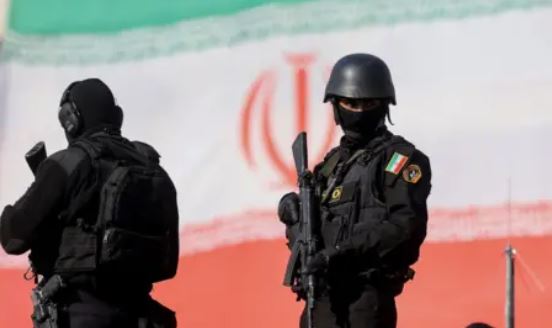
TEHRAN, AUG 10 /DNA/ – The sudden change in the office of the secretary of Iran’s Supreme National Security Council (SNSC), amid the volatile situation in the Gulf and with the Oman-Iran talks on the future of the Strait of Hormuz yet to produce a final arrangement, has implications that extend beyond Iran’s internal affairs.
The key appointment in fact signals a shift in the structure through which Tehran’s national security decisions are being processed and, potentially, a resetting of its game plan, even though there is little evidence so far of any change in the strategic objectives that have guided Iran through the conflict.
The replacement of Bagher Zolghadr by veteran Islamic Revolutionary Guard Corps (IRGC) commander Mohsen Rezaei is significant because the SNSC, constituted under Article 176 of Iran’s Constitution, brings together the country’s top civilian, military and judicial leadership for deliberation on defence and foreign policy, with its decisions requiring confirmation by the Supreme Leader. Its secretary, however, is merely an administrative official controlling the Secretariat, setting the agenda, coordinating between state institutions, preparing policy options and implementing decisions.
Related News

Govt hikes petrol price by Rs1.20 per litre, cuts diesel by Re0.17
ISLAMABAD: The federal government on Wednesday increased the petrol price by Rs1.20 per litre whileRead More
Mohsin Naqvi praises security forces for killing five militants in Washuk operation
ISLAMABAD, Oct 14 (DNA):Federal Interior Minister Mohsin Naqvi on Wednesday praised security forces forRead More
Comments are Closed