

Iran-US Memorandum of Understanding expires: What happens now?
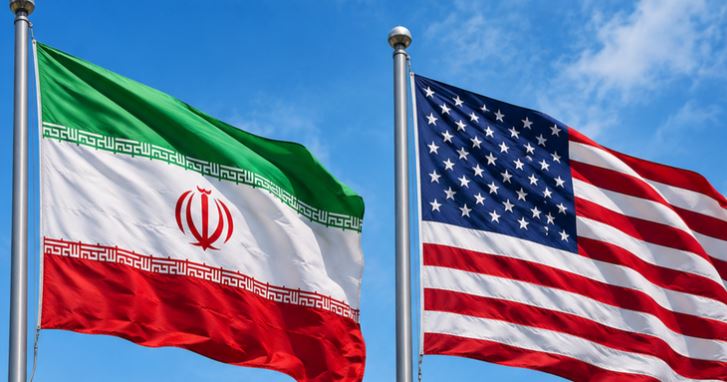
TEHRAN: There have been no talks officially announced on extending a ceasefire between the US and Iran as of Monday, which marks the end of the 60-day period stipulated in the Islamabad Memorandum of Understanding. However, according to Al Arabiya’s sources, the two countries may be inching closer to extend the truce.
The MoU was intended to halt more than three months of war that had taken thousands of lives and placed the region in a chokehold and continues to cause economic strain globally. Although the Islamabad Memorandum formally ended the war, it did not end military activity. In the weeks that followed, the United States and Iranrepeatedly exchanged strikes and accusations of truce violations, Israel continued operations in Lebanon, and tensions in the Strait of Hormuz escalated as attacks on shipping, renewed US strikes, and the reimposition of the naval blockade exposed the disputed nature of the agreement.
Following the agreement’s expiration, there appears to be little appetite on either side to revive it. Speaking to the semi-official ISNA news agency, Iranian Foreign Minister Abbas Araghchi on Saturday rejected descriptions of the Islamabad MoU as a ceasefire, arguing that it represented “the end of the war,” adding that “we did not have a ceasefire that would now require extension.” Meanwhile, he said the negotiations with Oman over the Strait of Hormuz continue but Araghchi emphasized that this would only be possible if a political solution was reached.
The US position appears to be the opposite of Iran’s, treating the MoU as a ceasefire framework pointing to its provisions for the “immediate and permanent termination of military operations.” While traffic through the Strait of Hormuz remains heavily disrupted and talks continue between Oman and Iran, President Donald Trump has said the US will declare the strait US territory “pretty soon” after “we finish defeating Iran.” Trump also declared that the US was in full control of the waterway.
Iranians swiftly rejected these claims with Deputy Foreign Minister Kazem Gharibabadi saying that the strait “has been Iranian, is Iranian, and will remain Iranian,” adding that only Tehran has the authority to open or close it. Treasury Secretary Scott Bessent also said on Friday that the US would apply measures that have “never been seen” on Iran.
Any long-term diplomatic solution does not look likely in the short term. Fundamental disagreements remain over the nature of the conflict as well as the key issues. According to a Trump Truth Social post on Monday, Iran not having a nuclear weapon remains the “number one goal.”
Iran’s controversial nuclear program was left ambiguous in the MoU, and remains no closer to a long-term resolution. Control over Hormuz remains contested. Parallel talks are ongoing between Iran and Oman to come to a provisional arrangement to manage shipping through the strait, but according to Tehran, any agreement is contingent on US concessions to Iran including compensation.
The US has, in turn, rejected Iran’s demands of financial compensation while Trump insisted Tehran pays compensation to those killed and wounded in the war and be held “responsible for damages and deaths caused to the people of Lebanon, Syria, Yemen and Gaza.”
Related News
Rubio says US monitoring reports of plague infection at Russian lab
WASHINGTON: Secretary of State Marco Rubio said Monday that the United States is monitoring reportsRead More

US-Russia talks on Ukraine involve multi-billion dollar oil deal: Report
WASHINGTON, OCT 3: The Trump administration’s talks with Russia on ending the war in UkraineRead More
Comments are Closed