

Highest-ever remittances in July: PM
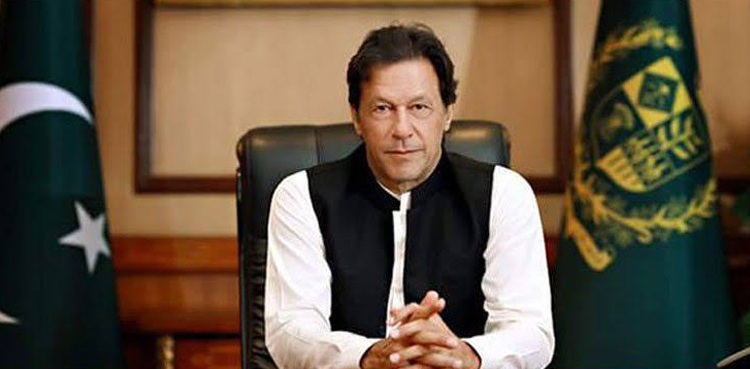
In his statement, the prime minister had thanked overseas workers for the remittances, which he said were much higher than the previous year when they grew only 2.9%.
Allawasayo/DNA
ISLAMABAD: PM Imran shared the statistics, calling it “more good news” for Pakistan’s economy Prime Minister Imran Khan said on Monday that Pakistan recorded highest-ever remittances from overseas Pakistanis in July 2020, reaching $2,768 million.
On Twitter, the prime minister shared the statistics, calling it “more good news” for Pakistan’s economy.
“Remittances from overseas Pakistanis reached $2,768 mn in July 2020, highest ever amount in one month in the history of Pakistan. This is 12.2% increase over June 2020 and 36.5% increase over July 2019,” he wrote.
Last week, PM Imran had appreciated overseas Pakistani workers for sending more remittances through banking channels.
“Remittances for the past fiscal year came in much higher at 9.7 percent annual growth and totaled $21.8 billion for the year,” Prime Minister Imran Khan said in a tweet.
In his statement, the prime minister had thanked overseas workers for the remittances, which he said were much higher than the previous year when they grew only 2.9%.
According to the State Bank of Pakistan, overseas Pakistanis remitted $21,841.50 million during fiscal year 2018-19, showing a growth of 9.68% compared with $19,913.55mn during the same period in the previous year.
Remittances received from Malaysia, Norway, Switzerland, Australia, Canada, Japan and other countries during June 2019 had amounted to $198.81mn together as against $199.47mn received in June 2018.
Related News

Bessent says US will impose toughest ever sanctions on Iran, urges China to cooperate
WASHINGTON, AUG 20: The United States will impose “the toughest sanctions in history” on Iran,Read More

President Zardari lauds outgoing Kazakh envoy’s role in strengthening bilateral ties
ISLAMABAD, AUG 20 /DNA/ – President Asif Ali Zardari has praised Ambassador of Kazakhstan YerzhanRead More
Comments are Closed