

Balochistan Terrorists Strike: Questions of governance, responsibility and response
Ansar M Bhatti
Balochistan has once again been shaken by a brutal terrorist strike, leaving behind grief, anger, and pressing questions about governance. The Chief Minister of Balochistan admitted that authorities had prior information about the attack. This revelation raises a troubling question: if intelligence was available, why were so many precious lives lost? The tragedy underscores the gap between information and effective action, a gap that continues to cost the province dearly.
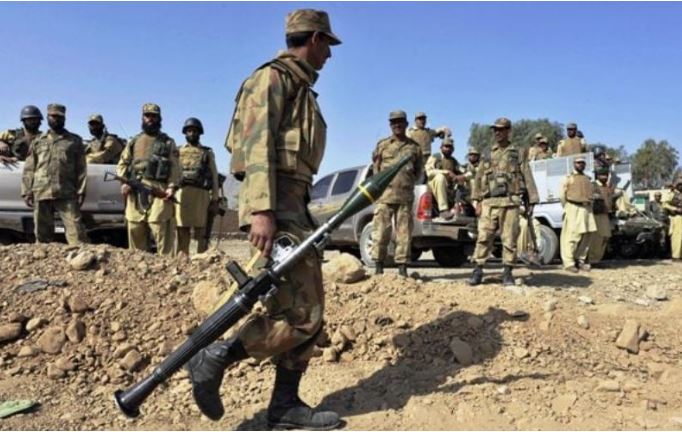
Security forces, however, deserve immense praise for their courage and sacrifice. In fierce counter-operations, they eliminated over 150 terrorists, preventing further devastation. Several personnel embraced martyrdom in the line of duty, a reminder of the heavy price paid by those who stand on the frontlines. Their role in safeguarding the nation remains beyond any doubt. Yet, the lack of political will and coordination has left them carrying the entire burden of responsibility. Civilian institutions under the provincial government have failed to deliver, leaving the military and paramilitary forces to shoulder duties that should be shared.
The Balochistan government must urgently strengthen its civil institutions. Police and Levies forces, often under-equipped and underpaid, need modern weapons, training, and fair compensation to encourage them to serve effectively. Without these reforms, the reliance on military forces alone will continue, perpetuating a cycle where civilian governance remains weak. Corruption within civilian institutions further erodes trust and efficiency, making reforms not just desirable but essential.
Beyond security, Balochistan remains a neglected province. Infrastructure is minimal, with people living in miserable conditions. Hospitals, schools, and basic facilities are scarce, leaving communities vulnerable and disillusioned. The culture of chieftains and sardars has not delivered progress, instead reinforcing outdated structures that fail to meet modern needs. Development has been slow, and the absence of strong governance has left the province lagging far behind the rest of the country.
The latest terrorist strike is not just a tragedy—it is a wake-up call. Security forces have proven their valor, but without political will, institutional reform, and investment in infrastructure, Balochistan will remain vulnerable. The government must rise to the challenge, strengthen civilian institutions, and deliver on promises of development. Only then can the sacrifices of the martyrs truly pave the way for a safer and more prosperous future for Balochistan.
Related News

Iran envoy blasts US ‘Illegal War’ as Pakistan mediates in Islamabad
ISLAMABAD, APR 11 /DNA/ – Iran’s Ambassador to Pakistan, Reza Amiri Moghadam, on Saturday accusedRead More
Pakistan hopes US, Iran to engage ‘constructively’ in Mideast peace talks
ISLAMABAD: After the arrival of a high-level US delegation led by Vice President JD Vance,Read More
Comments are Closed