

A Defining Year for Pakistan

by Muhammad Mohsin Iqbal
As the final days of 2025 quietly recede and the first light of 2026 prepares to dawn, the moment demands more than ritual optimism. It invites reflection upon a year that altered the course of a nation. Calendars change every year, but only rarely does history pause to redraw its lines. For Pakistan, the year now ending proved to be one such moment, where destiny, resolve, and divine grace converged with unmistakable force.
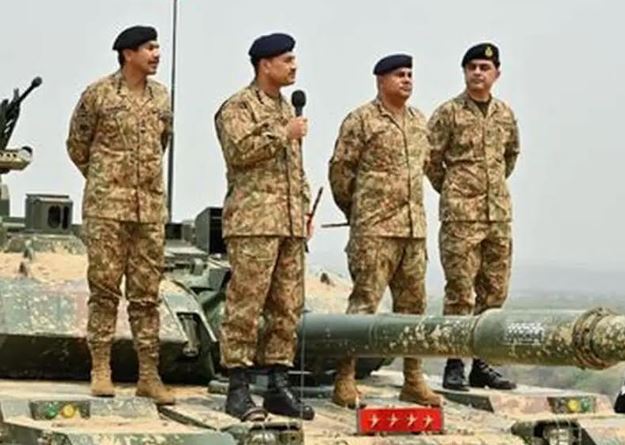
Until the first decade of May 2025, the national atmosphere was weighed down by uncertainty and apprehension. Daily life continued, yet beneath its surface lay fear, panic, and a persistent sense that decisions were shaped more by expediency and elite comfort than by justice or public welfare. Economic strain tightened its grip, institutional confidence waned, and hope survived largely through patience rather than assurance.
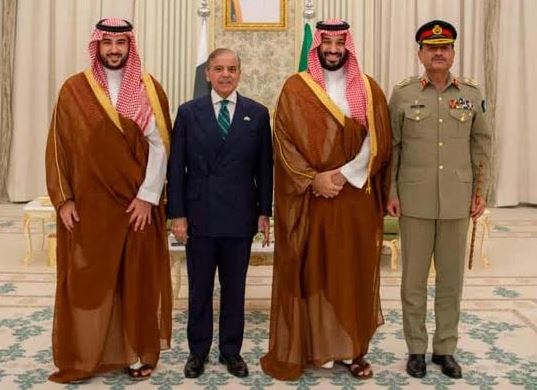
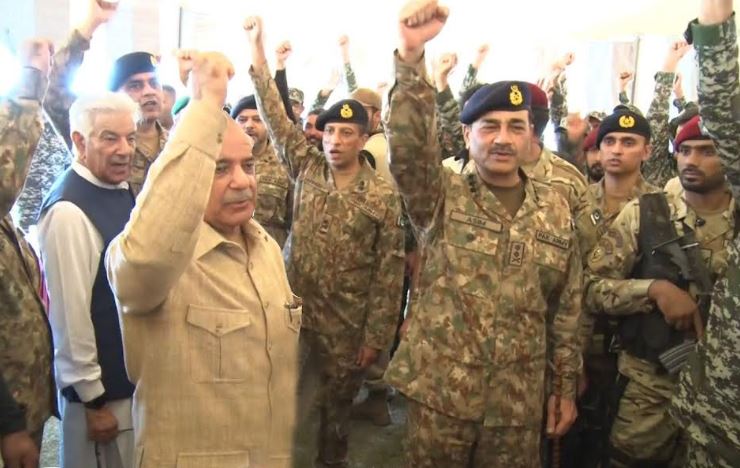
Then history intervened abruptly. India, acting in accordance with a long-standing pattern of arrogance and miscalculation, committed a folly that proved transformational. What followed defied many expectations. In those critical hours, the involvement of Allah was evident in the timing, clarity, and outcome of events. Pakistan’s response was swift, measured, and resolute, and within moments the strategic landscape was altered. The world watched as restraint combined with preparedness produced an outcome that changed perceptions overnight.
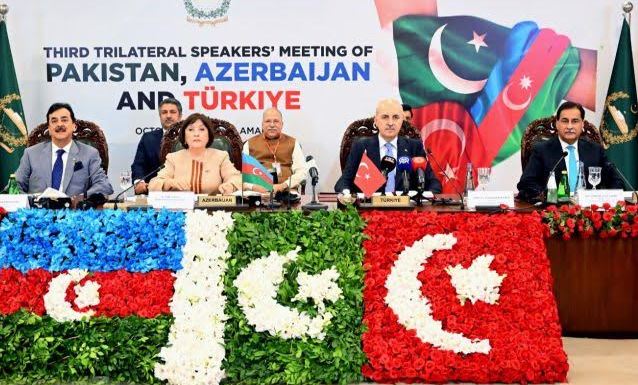
The days following May 9 marked a decisive watershed. Pakistan emerged as a country redefined—not merely in military or strategic terms, but in confidence and standing. Globally, the narrative shifted. Diplomatically, Islamabad became a focal point of renewed engagement. From the weeks after May 9 till the closing months of 2025, a steady stream of heads of state, heads of government, and high-powered delegations made their way to the federal capital. Leaders from friendly and influential countries, senior ministers, national security advisers, economic envoys, and defense officials arrived to reaffirm ties, explore cooperation, and signal confidence in Pakistan’s stability and relevance.
These visits were not symbolic courtesies alone. They reflected a recalibration of global attitudes. Strategic dialogues were revived, defense cooperation expanded, and economic partnerships revisited with seriousness. Investment-focused delegations discussed energy, infrastructure, minerals, and technology. Parliamentary and diplomatic exchanges gained momentum, while regional and extra-regional actors alike acknowledged Pakistan’s renewed role as a stabilizing and responsible state. Islamabad, once perceived as defensive and reactive, was now engaging from a position of assurance and dignity.
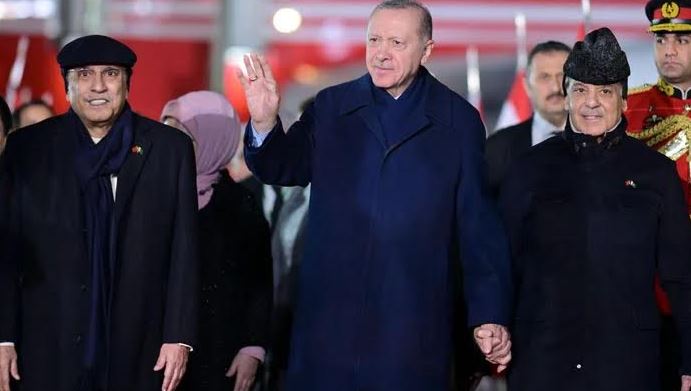
Internally, this diplomatic resurgence reinforced national morale. The psychological burden of isolation and underestimation began to lift. Institutions rediscovered coherence, and the people sensed that their country had regained a voice that commanded attention rather than sympathy. Pakistan was no longer viewed through a prism of perpetual crisis, but as a state capable of decisive action and mature diplomacy.
History reminds us, however, that such turning points are both gifts and tests. They demand perseverance and moral clarity. Nations that mistake moments of renewal for moments of rest often forfeit their gains. Those that endure are the ones that convert confidence into reform and opportunity into responsibility.
As 2026 approaches, there is legitimate hope that this remarkable change will not fade. By the will of Allah, the momentum achieved in 2025 can be preserved and strengthened. Yet divine favor carries with it further trials—tests of love for the nation, sincerity of intent, and willingness to sacrifice comfort for collective good.
Foremost among the challenges ahead is the urgent task of pulling Pakistan out of the suffocating swamp of debt. Economic dependence has long constrained sovereignty and distorted priorities. True independence cannot coexist with endless borrowing. Fiscal discipline, productive growth, and equitable contribution must therefore replace short-term fixes and cosmetic adjustments.
Equally destructive is corruption, a silent termite infestation eating away at the foundations of the state. Its consequences extend beyond financial loss; it corrodes trust, mocks merit, and alienates citizens from their institutions. Eradicating it requires unwavering accountability, transparent governance, and the application of law without discrimination.
Justice must stand as the cornerstone of national renewal—justice that does not recognize wealth, status, or influence. A society divided by selective accountability cannot remain stable. Only when the weak and the powerful face the same law can unity become more than a slogan.
Beyond institutions lies the deeper task of shaping the citizen. Tolerance, forbearance, and respect for human dignity must be cultivated deliberately. A responsible individual is one who respects law, values humanity, and understands that rights are inseparable from duties.
As the first sunrise of 2026 breaks over the land, Pakistan stands at a rare juncture of promise. The events after May 9 demonstrated what faith, unity, and preparedness can achieve. The year ahead will determine whether that promise matures into permanence. If gratitude is expressed through reform, strength guided by justice, and faith reflected in ethical conduct, then the coming year may well mark not merely the continuation of change, but the consolidation of a national rebirth—by the grace of Allah and the steadfast will of the people.
Related News

Power That Roars Only at the Weak
by Muhammad Mohsin Iqbal There was a man among my relatives who possessed considerable wealthRead More

Parliament in the Grip of Inflation
Zaryab Zaib After weeks of drift and public unease over rising prices, the resumption ofRead More
Comments are Closed