

The Strategic Landscape of Heydar Aliyev’s Legacy
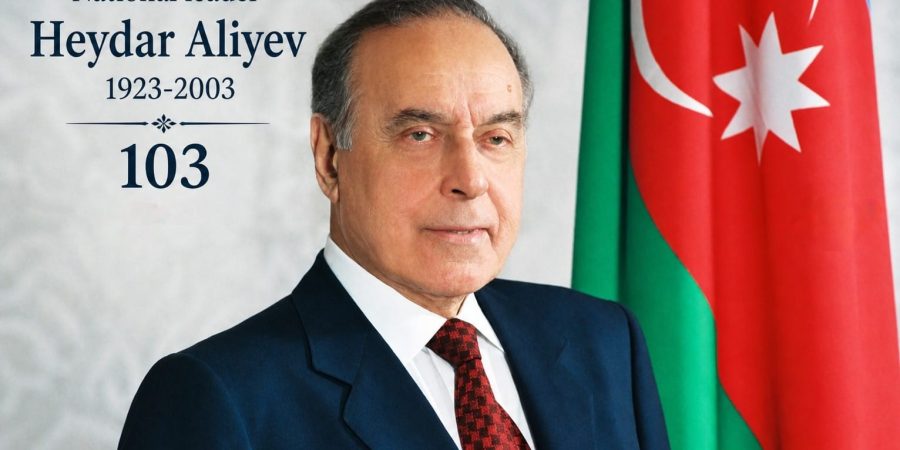
In the modern history of Azerbaijan, there are figures whose influence shapes not only a particular period but an entire historical era. The National Leader Heydar Aliyev is one of such exceptional personalities. His life, political activity, and ideological vision played a decisive role in the formation of Azerbaijani statehood, the preservation of independence, and the strengthening of national identity. Born on May 10, 1923, in Nakhchivan, Heydar Aliyev devoted his entire life to the service of his people and state. From an early age, he demonstrated discipline, responsibility, and strong analytical thinking. His early career in state security institutions helped him develop strategic thinking, organizational skills, and a deep understanding of governance, laying the foundation for his future as a great political leader.
His rise to leadership in 1969 marked a turning point in Azerbaijan’s development history. At that time, Azerbaijan was considered one of the less developed republics of the Soviet Union. However, under Heydar Aliyev’s leadership, the country entered a rapid phase of economic, industrial, and social development. New factories and industrial enterprises were established, agricultural productivity increased, and regional development was significantly accelerated. At the same time, thousands of Azerbaijani youth were sent to leading universities across the Soviet Union, forming a strong national intellectual and professional elite for the future independent state. National identity and the ideology of Azerbaijanism occupied a central place in Heydar Aliyev’s policy. He regarded the preservation of cultural heritage, the development of the Azerbaijani language, and the strengthening of national values as key pillars of state policy. His initiatives ensured the consolidation of the Azerbaijani language as the state language and the establishment of a strong legal foundation for its protection and development. In the late 1980s, during a period of deep political crisis in the Soviet Union, Heydar Aliyev demonstrated firm principles by resigning from his high-ranking position in protest against unjust policies. His political courage became even more evident during the January 20 tragedy of 1990, when he publicly condemned the Soviet leadership in Moscow, defending the rights and dignity of the Azerbaijani people. During 1990–1993, while serving in Nakhchivan, Heydar Aliyev laid the practical foundations of independent statehood. The official recognition of the national tricolor flag, strong advocacy for sovereignty, and political initiatives undertaken during this period became the ideological basis for Azerbaijan’s future independence. In 1993, amid a deep political crisis and the threat of civil war and state collapse, the Azerbaijani people called for Heydar Aliyev’s return to power. His leadership brought stability, restored state institutions, and initiated the construction of a legal and democratic state. This period is considered the beginning of modern state-building in Azerbaijan. One of his most significant contributions was the energy strategy of Azerbaijan. The “Contract of the Century” and subsequent oil and gas projects attracted large-scale international investments, strengthened the country’s economic independence, and elevated Azerbaijan’s position in the global energy market. As a result, Azerbaijan became a key energy hub in the region. Heydar Aliyev’s foreign policy was based on balance, pragmatism, and national interests. He strengthened Azerbaijan’s position in international organizations and established the country as a reliable and respected partner on the global stage. Azerbaijanism as an ideology was one of the core pillars of his political philosophy. It emphasized national unity, patriotism, and loyalty to the state. His famous words, “I have always been proud, and I am still proud that I am Azerbaijani,” clearly reflect the essence of this ideology. Youth policy was another priority of Heydar Aliyev’s leadership. He considered young people the foundation of the nation’s future and paid special attention to their education, moral upbringing, and civic engagement. This policy continues successfully today, with Azerbaijani youth playing an active role in the country’s development. The protection and development of the Azerbaijani language also held a special place in his policy. The language was strengthened as the state language through constitutional and legal reforms, becoming one of the main pillars of national identity.
The New Azerbaijan Party, founded in 1992 under his leadership, quickly became a leading political force in the country. It played a crucial role in ensuring political stability and continues to serve as an important pillar of statehood today. Although Heydar Aliyev passed away in 2003, his political legacy and ideological principles continue to live on and guide the development of Azerbaijan. Under the leadership of President Ilham Aliyev, this political course has been successfully continued, further strengthening the country’s international position. In particular, the historic victory in the 44-day Patriotic War became a powerful confirmation of the effectiveness of Heydar Aliyev’s state strategy. The restoration of Azerbaijan’s territorial integrity marked the triumph of national unity and strong state policy. In conclusion, Heydar Aliyev remains an immortal figure in Azerbaijani history.
He is the founder of modern Azerbaijani statehood, the architect of national ideology, and the savior of the nation. His rich legacy continues to serve as a guiding light for the country’s development and remains an enduring school of statehood for future generations.
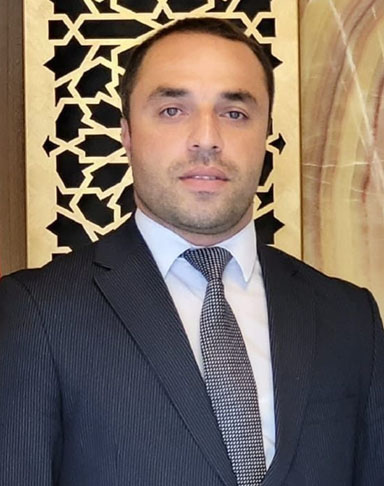
Farid MUSTAFAYEV
Deputy Chairman of the Territorial Party Organization of YAP Yasamal District under the Ministry of Science and Education at the Institute of Soil Science and Agrochemistry, Member of the Western Azerbaijan Community.
Related News

Pakistan records 164,000 tobacco-related deaths annually
ISLAMABAD, SEP 15 /DNA/ – Pakistan needs to prioritise science-based regulation of smoke-free alternatives asRead More

CDA chairman inspects Babar Park, Rescue 1122 during rainfall
ISLAMABAD, SEP 15 /DNA/ – Chairman Capital Development Authority (CDA) conducted an early-morning detailed visitRead More
Comments are Closed