

FPCCI warns middle east conflict threatens Pakistan economy
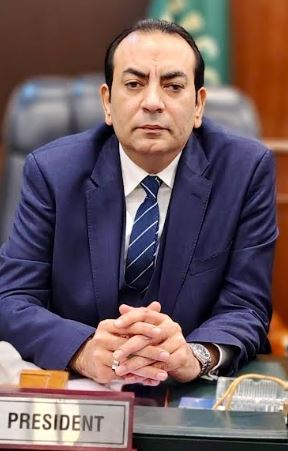
KARACHI, MAR 2: /DNA/ – Atif Ikram Sheikh, President of the Federation of Pakistan Chambers of Commerce and Industry (FPCCI), has called for the announcement of emergent measures aimed at insulating trade and industry of Pakistan to protect country’s economy and its people from the debilitating and burgeoning conflict in the Middle East.
Mr. Atif Ikram Sheikh warned that ongoing geopolitical volatility – particularly the disruptions in the Red Sea and the Strait of Hormuz – poses a severe threat to Pakistan’s fragile economic recovery, energy security and export competitiveness.
FPCCI Chief explained that Pakistan’s trade and industry cannot afford to be the collateral damage in this regional conflict; with nearly 30% of global petroleum consumption passing through the Strait of Hormuz; any prolonged blockage or disruption will trigger massive supply chain shocks. We must proactively shield our economy; secure our energy lifelines and protect our exporters from skyrocketing logistics costs, he added.
Mr. Atif Ikram Sheikh elaborated the country’s vulnerability vis-à-vis Middle Eastern supply chains – and, highlighted several alarming data points that necessitate immediate government intervention. The country has heavy reliance on Gulf energy as Pakistan imports over $5.7 billion in crude petroleum annually, primarily sourced from Saudi Arabia (approx. $3.2 billion) and the United Arab Emirates (approx. $2.3 billion) – and, when refined petroleum products are added, this amounted to $10.71 billion in FY25.
FPCCI President stressed that skyrocketing freight and insurance costs can pose a huge challenge due to the Red Sea crisis as commercial shipping lines are being forced to reroute. This massive detour will add 15 to 20 days to transit times for Pakistani exports destined for our largest export markets; i.e. EU, UK and U.S.
Mr. Atif Ikram Sheikh maintained that freight costs on key shipping routes – which may surge by up to 300% – and marine insurance premiums have spiked due to war-risk classifications. This threatens to severely inflate the cost of imported raw materials and erode the price competitiveness of Pakistani textiles and manufacturing exports, he added.
Mr. Atif Ikram Sheikh has proposed that, to safeguard the national economy, the federal government shall immediately implement the protective measures and build petroleum reserves – and, prepare a backup plan through finalizing contingency agreements for backup oil supplies and deferred payment facilities with key allies like Saudi Arabia to ensure an uninterrupted flow of crude oil and diesel.
Mr. Saquib Fayyaz Magoon, SVP FPCCI, stated that freight and insurance relief through the ministry of commerce and the State Bank of Pakistan (SBP) must be introduced – and, a targeted relief package to subsidize the exorbitant marine insurance premiums and freight hikes should be planned; which will cripple the country’s export earnings, if remained unaddressed.
SVP FPCCI emphasized that Pakistan needs to maximize indigenous refining; and, domestic refineries must be supported to operate at their enhanced capacities. We need a localized, resilient strategy that protects our energy supplies and keeps our export engines running. The FPCCI stands ready to work with the government to navigate through this geopolitical storm, he added.
Related News

Greek ambassador stresses private-sector role in expanding Pakistan-Greece economic ties
LCCI President calls for Greek expertise, technology to develop Pakistan’s agriculture, minerals sectors DNA LAHORE,Read More
ICCI-Turkiye embassy pledge to accelerate trade ties
DNA ISLAMABAD: A delegation of the Islamabad Chamber of Commerce and Industry (ICCI), headed byRead More
Comments are Closed