

PSL, a gold mine waiting to be tapped
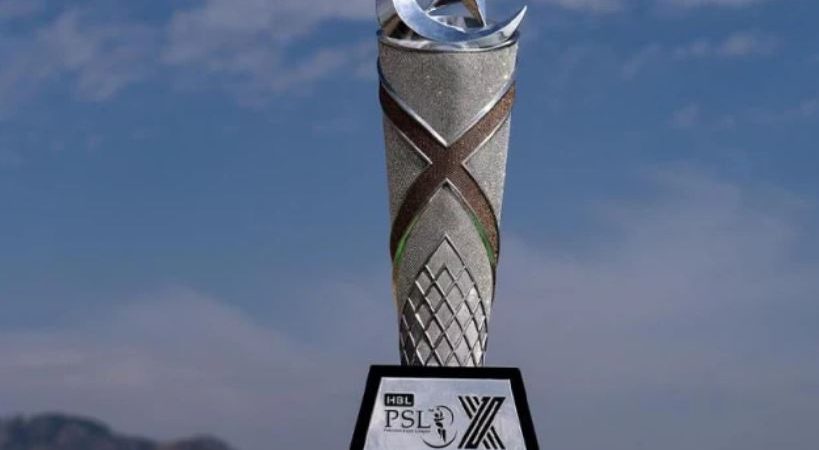
KARACHI: “What should we do if one of the PSL teams is not selling?” One day in 2015, when Najam Sethi, then chairman of the PCB Executive Committee, posed this question to his colleagues at Gaddafi Stadium, no one had an answer. At that moment, a name came to Sethi’s mind: Nadeem Omar.
He immediately contacted him and explained the importance of the league for the country and its people, persuading him to buy a team.
Although Nadeem Omar was initially reluctant, and some of his associates also advised him against the move, he eventually agreed following Sethi’s insistence.
Omar was already regarded as one of the most prominent figures in Karachi cricket, yet he was allocated the Quetta Gladiators franchise.
The deal was finalised at an annual fee of $1.1 million, at an exchange rate of Rs170 to the dollar, equivalent to more than Rs190 million in Pakistani currency. The most expensive franchise at the time was Multan Sultans, which had been sold for $6.3 million.
Quetta Gladiators became the cheapest franchise in the PSL.
However, compared with teams carrying the names of larger cities, they also had fewer commercial opportunities. As expected, the franchise initially suffered losses. But as the PSL grew into a successful competition, the Gladiators also began making modest profits.
The PSL’s financial model is quite unique. Under this model, even a franchise paying Rs2 billion in annual fees receives the same share of central pool revenue as the cheapest franchise. Last year, each franchise was reportedly due to receive approximately Rs980 million. However, around Rs700 million of that amount is consumed by players’ salaries, travel, accommodation and other expenses.
If the franchise fee itself is also deducted, the overall result could potentially be a financial loss.
In such circumstances, a franchise’s own commercial revenue becomes extremely important. Unfortunately, all the franchises are lagging far behind in this area.
For instance, if one franchise secures a sponsorship deal worth Rs500 million from a company, another franchise may offer the same deal for just Rs250 million. The company then starts thinking: why not approach the PCB directly, where it might get a better return?
This kind of undercutting has prevented the sponsorship market from developing properly.
Flights operated by Emirates and Qatar Airways in Pakistan are consistently full, but have we ever seen these airlines sponsor our league in the same way they sponsor the IPL? Major international companies are also active in smaller cricket leagues, yet why are they largely absent from the PSL?
Our local companies can only spend up to a certain limit. As long as surrogate advertising for betting companies was permitted, people made considerable money through it. Once restrictions were imposed, those involved were left struggling.
This is one of the reasons the league has been unable to grow beyond a certain financial level.
For almost ten months of the year, most franchises remain largely inactive. The real activity and excitement last for only two months. This also prevents the league from building sustained hype and commercial momentum.
Pakistan also lacks an effective merchandise sales system. Even if a team sells an official shirt for Rs2,000, an almost identical version can be found in the market for Rs200.
Despite all these challenges, the PSL has completed ten years. Revenue from the title sponsor and media rights has continued to flow into the central pool, with approximately 95 per cent of it going to the franchises. The PCB, meanwhile, relies primarily on franchise fees for its income.
After the tenth edition, when the time came to renew franchise agreements and introduce two new teams, the PCB commissioned valuations of the league and its franchises.
Existing owners were given the option to retain their teams at whichever amount was higher: the newly assessed valuation or 25 per cent of their previous franchise fee.
As a result, the annual fee for Quetta Gladiators also increased to approximately Rs360 million.
The owner of Multan Sultans had already been complaining about financial losses. How could he possibly afford an annual fee exceeding Rs1.35 billion?
Consequently, the search for a new owner for that franchise also began.
Then American businessman Fawad Sarwar turned the entire market upside down. He purchased the Hyderabad Kingsmen for Rs1.75 billion.
PCB officials were understandably delighted. The Multan franchise, which had been renamed Sialkot for the new bidding process, was sold for even more.
Then Rawalpindiz, sold for Rs2.45 billion, broke all previous records.
This brought the same financial-model issue back into focus: a franchise such as Quetta, paying just Rs360 million, would receive the same share of central revenue as a franchise paying billions.
The matter has not yet been fully discussed, but the PCB now knows that it could potentially sell that franchise for as much as Rs2.5 billion.
In these circumstances, even existing franchise owners, despite having signed new ten-year agreements, may find themselves in a vulnerable position. Any misstep could create serious problems for them.
This raises an obvious question: if franchises are now being sold for Rs2 billion, why is Quetta Gladiators, whose annual fee is Rs360 million, considering leaving?
The answer lies largely in the difference between the financial capacities of the owners.
Fawad Sarwar is wealthy enough to purchase half the teams in the league without it making much difference to his finances. Gohar Shah is also a British businessman.
If foreign ownership continues to enter the PSL at this pace, billions of rupees could keep flowing into the league. Otherwise, the bidding process has already demonstrated that Pakistani companies were unwilling to go beyond a certain financial limit.
Those that did stretch their resources are also facing difficulties in managing their businesses.
Nadeem Omar, however, cannot afford to go beyond a certain point. He has other businesses to manage, and his own peace of mind is also important.
There have also been certain issues over the past few years that need to be addressed.
For the last two years, franchises have been waiting for their revenue shares. Last year, one important stakeholder failed to make the required payment and has continued making excuses ever since.
This year, another party was brought in. Despite making ambitious promises, it is now refusing to pay, citing financial losses.
There has also been negligence on the part of a PSL official, who failed to obtain the mandatory bank guarantee.
The patience of senior PCB officials is now running out. During recent meetings, both companies have already been issued final warnings.
The deadline has passed, and a decision is expected soon.
Until this issue is resolved, financial matters will remain at a standstill.
Going forward, the due diligence process will also need to be strengthened.
The league needs a dedicated marketing team capable of attracting major corporate sponsors. Similarly, franchises must appoint capable marketing executives who can develop new revenue streams and explore alternative commercial opportunities.
The PSL is a gold mine. The PCB has given its franchises a licence to extract gold from it. If, despite having that opportunity, a franchise is still unable to make money, it should also take a hard look at itself.
Related News
PSL, a gold mine waiting to be tapped
KARACHI: “What should we do if one of the PSL teams is not selling?” OneRead More
Under-19 Asia Cup: India snatch victory from jaws of defeat against Pakistan
In a nail-biting clash, India defeated Pakistan to lift the Under-19 Asia Cup trophy, denyingRead More
Comments are Closed