

Islamabad’s footpaths and roads held hostage by illegal encroachments
Many residents believe corruption is a major factor behind the persistence of the problem. They argue that some businesses are allowed to continue illegal parking practices because of unofficial arrangements and selective enforcement. Whether these allegations are true or not, the authorities must recognize that public perception matters
DNA
ISLAMABAD, NOV 1: Islamabad was once known for its orderly planning, wide roads, green belts, and pedestrian-friendly environment. Unfortunately, in many commercial areas today, particularly G-8 Markaz, illegal encroachments have transformed public spaces into chaotic parking lots, making life increasingly difficult for residents, pedestrians, and legitimate businesses.
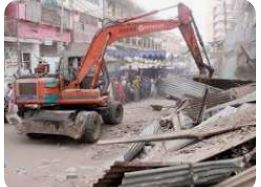
One of the most visible examples of this problem is the unchecked expansion of car showrooms. Many showroom owners purchase or rent a single office or shop but proceed to occupy the surrounding public space for dozens of vehicles. Roadsides, service lanes, green belts, and even pedestrian footpaths are filled with cars on display. As a result, citizens who wish to walk safely are forced onto busy roads because the footpaths intended for them no longer exist in practical terms.
The impact on residents is severe. Residential plazas located near commercial areas often face parking crises because the spaces around them are occupied by showroom vehicles and roadside businesses. Families returning home frequently find no place to park their own cars. Ironically, when traffic police conduct operations, they often target residents’ vehicles rather than removing the illegally parked showroom cars that are causing the problem in the first place.
Residents repeatedly ask a simple question: if their designated parking has been occupied by commercial encroachers, where should they park their vehicles? Unfortunately, there is rarely a satisfactory answer. Many citizens complain that when they request action against illegal parking, officials acknowledge the violation but claim the offenders are too influential to confront. Such responses only deepen public frustration and weaken confidence in law enforcement.
The continued existence of these encroachments raises serious questions about the performance of both the Traffic Police and the Capital Development Authority (CDA). Illegal parking on such a large scale cannot continue without a failure of enforcement. If regulations prohibit the occupation of public roads and footpaths, then those regulations must be implemented fairly and consistently, regardless of the influence or connections of the violators.
Many residents believe corruption is a major factor behind the persistence of the problem. They argue that some businesses are allowed to continue illegal parking practices because of unofficial arrangements and selective enforcement. Whether these allegations are true or not, the authorities must recognize that public perception matters. The absence of visible action against repeat offenders creates the impression that rules apply only to ordinary citizens.
The solution is neither complicated nor impossible. First, CDA and Traffic Police should launch a comprehensive operation against illegal occupation of roads, footpaths, and public parking spaces. Second, car dealerships should be restricted to displaying vehicles within their legally leased premises. Third, dedicated parking areas should be allocated and clearly marked for residents in front of their respective residential plazas. These spaces should be protected from commercial use through strict monitoring and enforcement.
Furthermore, repeat violators should face substantial fines, vehicle confiscation, and possible suspension of business licenses. Technology, including surveillance cameras and digital parking enforcement, can also help ensure transparency and reduce opportunities for selective action.
Islamabad deserves better than blocked footpaths, congested roads, and helpless residents searching for parking near their own homes. Public spaces belong to the public, not to businesses seeking free expansion at taxpayers’ expense. The authorities must act decisively to reclaim footpaths for pedestrians, roads for traffic, and parking spaces for residents. Failure to do so will only encourage further encroachments and further erode the quality of life in Pakistan’s capital city.
Related News
Govt revises petrol pricing formula amid Iran-US war
ISLAMABAD: The federal government has revised the mechanism for determining petrol prices amid volatility causedRead More
Pakistan’s election as G-24 chairman important diplomatic milestone: PM Shehbaz
LAHORE, Nov 01 (DNA):Prime Minister Muhammad Shehbaz Sharif on Sunday termed Pakistan’s election as chairmanRead More
Comments are Closed