

D-8 webinar highlights Malaysia’s industrial experience to boost economic cooperation among member states
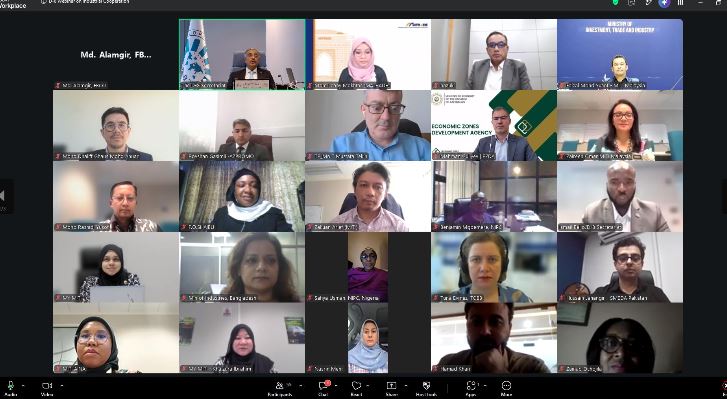
ISTANBUL, AUG 28 /DNA/ – The Developing-8 Organization for Economic Cooperation (D-8) Secretariat, in collaboration with Malaysia’s Ministry of Investment, Trade and Industry (MITI), successfully convened a high-level webinar focused on advancing industrial cooperation across the nine member states. Held under the theme “Leveraging Malaysia’s Industrial Experience for D-8 Cooperation,” the virtual event drew over 70 participants, including senior government officials, investment and export promotion agencies, SME bodies, chambers of commerce, and private-sector representatives.
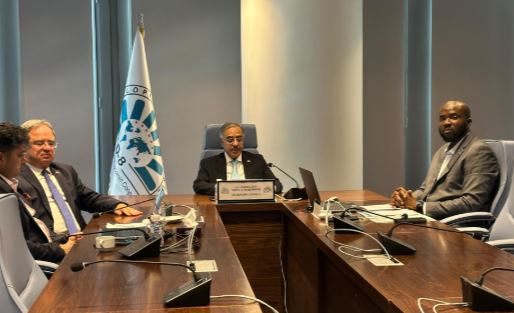
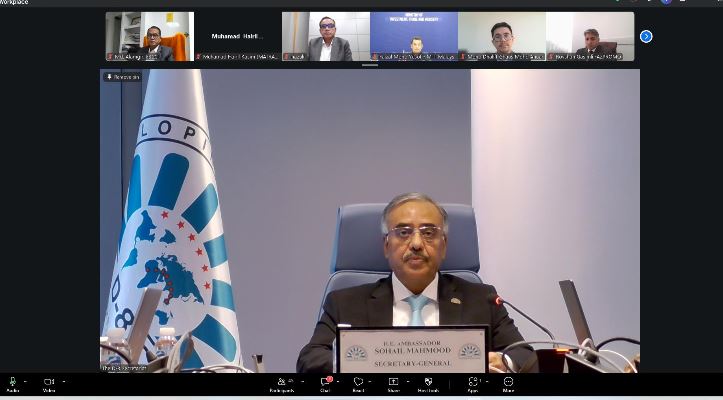
In his opening address, H.E. Ambassador Sohail Mahmood, Secretary-General of the D-8, underscored Malaysia’s remarkable transformation into a diversified, manufacturing-driven, and export-oriented economy. He noted that Malaysia’s experience in industrial planning, investment attraction, technology adoption, human capital development, and private-sector engagement offers valuable lessons for the broader D-8 community.
Ambassador Mahmood highlighted the collective economic potential of the D-8, which boasts a combined GDP exceeding US$5.19 trillion and merchandise exports of approximately US$1.09 trillion. He stressed the urgent need to strengthen market connectivity, integrate productive capacities, and foster investment and technology linkages to achieve the organization’s ambitious target of US$500 billion in intra-D-8 trade by 2030.
Against the backdrop of shifting global supply chains, the green transition, and rapid technological change, the Secretary-General identified three priority areas for collaboration:
- Technology, innovation, and industrial transformation;
- Investment, trade, and value-chain integration with a central role for the private sector; and
- Youth, skills, and human-capital development.
As concrete next steps, he proposed joint industrial and investment initiatives in priority sectors, enhanced cooperation in technology transfer and emerging technologies, and stronger connections among D-8 industries, SMEs, research institutions, and private-sector actors. He also called for more effective utilization of D-8 platforms such as the Network of Pioneers and Research Institutions (NPRI), the Technology and Innovation Network (TTEN), the Chamber of Commerce and Industry (CCI), and the proposed Halal Economy Cooperation Platform.
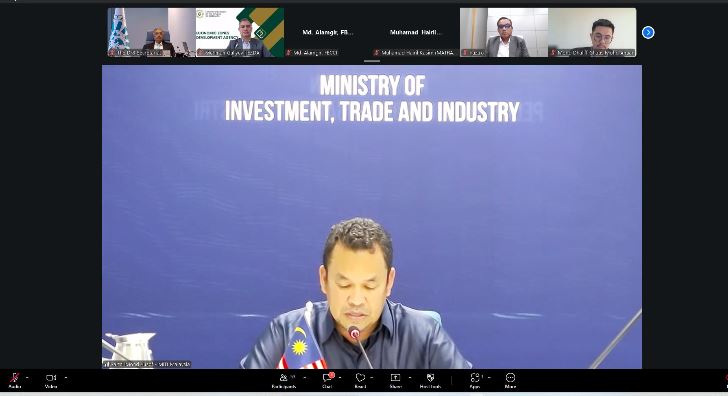
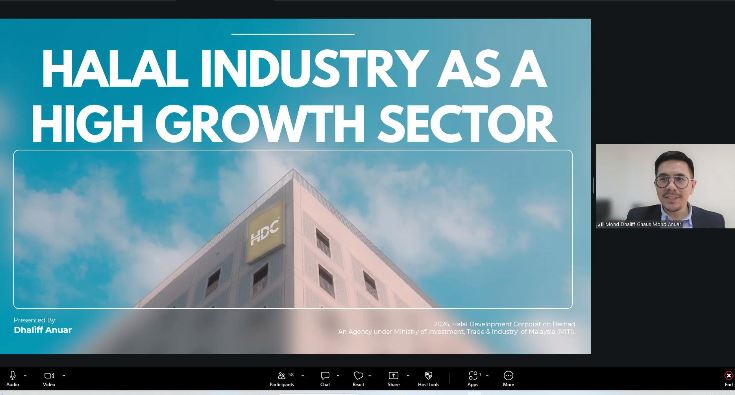
The webinar featured comprehensive presentations from Malaysian experts representing MITI, the Malaysian Investment Development Authority (MIDA), the Malaysia External Trade Development Corporation (MATRADE), and the Halal Development Corporation (HDC). The sessions covered four interconnected areas:
- Industrial transformation under Malaysia’s New Industrial Master Plan 2030 (NIMP 2030);
- Investment promotion and FDI attraction strategies;
- Export development and market access; and
- Halal industry development as a high-growth sector.
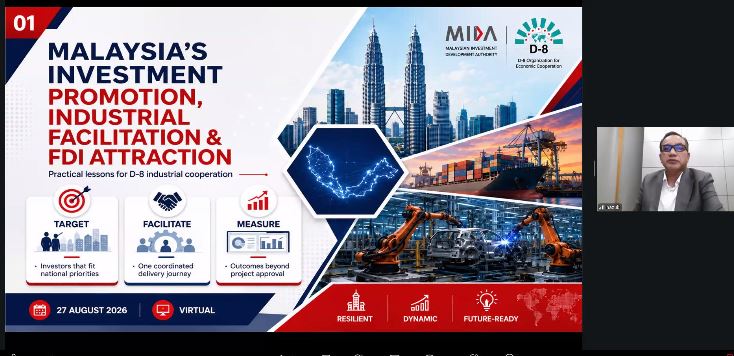
Speakers shared policy insights, institutional best practices, and practical experiences, highlighting the importance of mission-based industrial upgrading, quality investment targeting, export readiness, and the creation of an integrated Halal ecosystem encompassing standards, certification, and global market access. Digitalization, SME participation, skills development, and deeper integration into regional and global value chains were emphasized as critical drivers of sustained competitiveness.
Interactive discussions revealed significant opportunities for D-8 cooperation through institutional linkages, business partnerships, technology and knowledge exchange, and closer engagement between agencies and the private sector. Participants also stressed the growing relevance of AI, smart manufacturing, green technologies, and stronger industry-research collaborations to boost industrial competitiveness across the bloc.
In his closing remarks, Secretary-General Ambassador Sohail Mahmood expressed gratitude to the Government of Malaysia and its partner agencies, as well as to all speakers and participants, for their valuable contributions. He reiterated the importance of moving from dialogue to implementation, with a sharper focus on new partnerships, practical projects, and measurable outcomes.
The webinar marks another milestone in the implementation of the D-8 Decennial Roadmap 2020-2030, reinforcing the shared vision of harnessing the complementary strengths of member states to build robust industrial linkages, integrated value chains, and a more competitive D-8 economic space.
Related News

Over 3,000 Palestinians in Hebron displaced as Israeli forces take over homes, UN
UNITED NATIONS, Oct 27 (DNA):Israel’s “aggressive operation” in the West Bank city of Hebron raisesRead More
Egypt’s support for Saudi Arabia amounts to ‘Declaration of War’
Meanwhile, Saudi Arabia emphasized its commitment to regional security and stability. According to Saudi stateRead More
Comments are Closed