

Central Asia and Azerbaijan:New prospects for regional cooperation in tourism
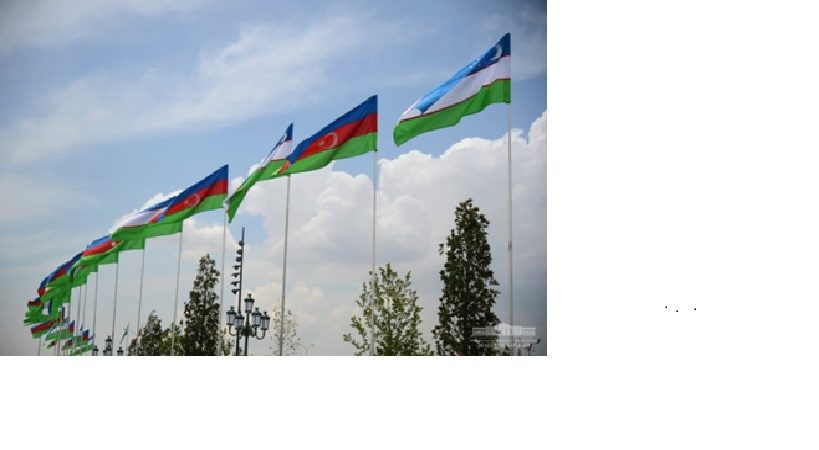
In recent years, the development of regional cooperation has become one of the key drivers of sustainable growth in the global tourism industry. An increasing number of travelers are choosing to explore entire regions rather than individual countries, attracted by their shared history, cultural heritage, and convenient transport connectivity. As a result, the development of cross-border tourism routes and the joint promotion of tourism products are now widely recognized as effective tools for enhancing international competitiveness.
Central Asia possesses unique advantages for creating such an integrated tourism space. The historic cities of the Great Silk Road, rich cultural heritage, diverse natural landscapes, and centuries-old traditions provide exceptional opportunities for developing virtually every modern form of tourism—from cultural and heritage tourism and pilgrimage tourism to gastronomic, ethnographic, ecotourism, adventure, and medical tourism.
One of the most significant initiatives in this area was proposed by the President of the Republic of Uzbekistan, Shavkat Mirziyoyev, who put forward the idea of establishing the “Central Asia Tourism Ring”—a unified tourism area bringing together the countries of the region. The initiative was presented in May 2026 during the Annual Meeting of the Board of Governors of the Asian Development Bank.
Presenting the initiative, the President emphasized that amid growing global uncertainty, millions of travelers are increasingly choosing safe destinations, while Central Asia possesses enormous potential for the development of diverse tourism segments. Owing to comprehensive reforms in tourism infrastructure, improvements in service quality, visa and transport policies, and enhanced traveler safety, the number of foreign visitors to Uzbekistan has increased sixfold over the past decade. In 2025 alone, the country welcomed 11.7 million international visitors.
The development of the Central Asia Tourism Ring extends cooperation beyond the boundaries of the region itself. On the contrary, it creates new opportunities for collaboration with countries historically connected to Central Asia through the routes of the Great Silk Road. One of the most successful examples of such cooperation is the tourism partnership between Uzbekistan and Azerbaijan.
Bilateral cooperation in tourism is built upon a solid foundation. An intergovernmental agreement on cooperation was signed as early as 1996. Over the years, the two countries have significantly expanded their legal and institutional framework for cooperation, including the adoption of the 2024–2026 Tourism Action Plan between the Tourism Committee of the Republic of Uzbekistan and the State Tourism Agency of the Republic of Azerbaijan.
A new impetus to bilateral cooperation was given on 4 April 2025, when the National PR Centre of the Republic of Uzbekistan and the Azerbaijan Tourism Board signed a Memorandum of Understanding in Samarkand. The document provides for the implementation of the Joint Silk Road Highlights Tour project, aimed at jointly promoting tourism routes along the Great Silk Road in international markets.
The concept of the project is based on combining the tourism potential of the two countries into a single travel experience. The itinerary includes the historic cities of Baku, Shamakhi, Sheki, Khiva, Bukhara, and Samarkand, enabling international visitors to discover the rich cultural heritage of several major centers of the Great Silk Road within a single journey. Particular emphasis is placed on the joint promotion of tourism routes through webinars, roadshows, B2B meetings, and presentations for representatives of the international tourism industry.
A practical embodiment of this initiative was the joint Highlights of the Silk Road roadshow held in October 2025. The promotional campaign covered Germany, Austria, Switzerland, Hungary, the Czech Republic, and Spain. During the roadshow, tourism companies from Uzbekistan and Azerbaijan presented their tourism offerings to European partners, conducted a series of B2B meetings, and discussed opportunities for developing combined tour packages and expanding bilateral cooperation. The business programme was complemented by cultural events showcasing the rich traditions and cultural heritage of both countries.
The effectiveness of these joint efforts is also reflected in tourism statistics. During the period from January to May 2026, the number of Azerbaijani citizens visiting Uzbekistan increased by more than 80 percent compared with the corresponding period of the previous year. This strong growth demonstrates the increasing interest in Uzbekistan’s tourism potential and the effectiveness of the two countries’ joint promotional efforts.
Alongside the implementation of major joint projects, practical cooperation between the respective tourism authorities continues to expand. Representatives of the tourism administrations of both countries regularly participate in international tourism exhibitions, industry forums, and meetings of international organizations. They also conduct reciprocal official visits, organize familiarization tours for media representatives and tourism professionals, and implement joint cultural and gastronomic initiatives. This format of cooperation facilitates the exchange of expertise, strengthens the promotion of national tourism brands, and contributes to the development of new competitive tourism products.
Looking ahead, the two countries intend to further develop joint Silk Road tourism routes, expand professional exchange programmes for tourism specialists, strengthen cooperation in tourism education and capacity building, and intensify the joint promotion of their tourism potential in third-country markets.
Today, Uzbekistan’s tourism policy is guided by the principles of openness, partnership, and regional connectivity. The initiative of the President of the Republic of Uzbekistan to establish the Central Asia Tourism Ring creates new opportunities for developing modern multi-destination tourism routes, while the successful implementation of joint projects with Azerbaijan demonstrates the effectiveness of coordinated efforts to promote the shared heritage of the Great Silk Road. The consistent expansion of such cooperation contributes to enhancing Uzbekistan’s tourism appeal, strengthening international partnerships, and creating new opportunities for the sustainable development of the tourism industry.
Related News

Pak Chengdu consulate hosts grand reception to mark
Pak Chengdu consulate hosts grand reception to mark DNA BEIJING: The Consulate General of PakistanRead More

Pakistan extends condolences to China over deadly floods
DNA Islamabad, August 28, 2026 – Prime Minister Shehbaz Sharif has expressed deep sorrow onRead More
Comments are Closed