

What is dengue and why is it so widespread this year?
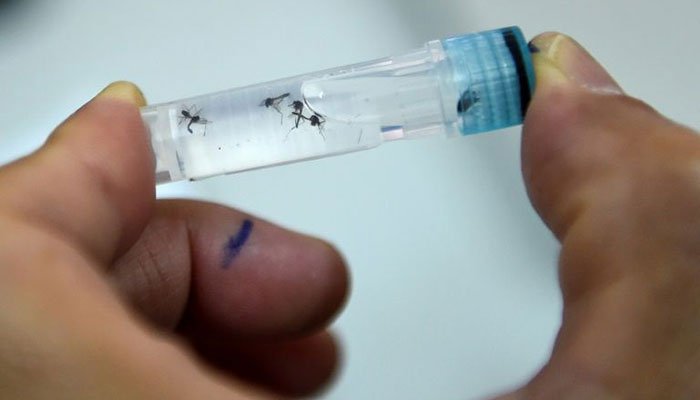
ubbed “breakbone fever”, dengue is one of the world’s leading mosquito-borne illnesses and infects tens of millions across the globe annually.
Around half of the planet’s population live in at-risk areas, mainly in Latin America, Africa and Asia.
Outbreaks have ravaged Southeast Asia this year, infecting hundreds of thousands, killing hundreds, and crippling health care systems as governments struggle to contain the untreatable virus.
So what is dengue, how does it spread, and how can it be contained?
How does Dengue spread?
Dengue is transmitted mainly by the Aedes Aegypti mosquito, which thrives in densely-populated tropical climates and breed in stagnant pools of water.
The mosquitoes pick up the virus from infected humans — even asymptomatic ones — and pass it along to other people through bites.
Infections have steadily climbed across the globe since the 1970s due to rising temperatures and irregular monsoon rains linked to climate change, which allow for ideal mosquito breeding conditions.
Dengue is mostly found in crowded areas, and breakneck urbanisation across the globe has helped the virus thrive, especially in fast-growing mega-cities like Manila, Rio de Janeiro, Ho Chi Minh City and Tegucigalpa.
A massive boom in international travel and trade has also expanded dengue’s footprint, allowing the virus to be carried across the globe in a matter of hours and unleashed in new communities.
Experts say the widespread adoption of plastic is also to blame — storage containers, discarded takeout boxes, backyard pools, plant pots and cooking urns all collect water — a problem made worse during dry spells.
Related News

Alkhidmat Foundation Launches Second Batch of Bano Qabil Programme
ISLAMABAD , 30 AUG (DNA) — The second batch of the Bano Qabil Programme, initiated byRead More

New Pims executive director pledges steps to prevent recurrence of incidents
ISLAMABAD: The newly appointed executive director of the Pakistan Institute of Medical Sciences (Pims) onRead More
Comments are Closed